
The Essential Guide to the Finest in Global Education
Education Matters
-
 GCSE and A-Level Results: Looking Back and Moving Forward 08.09.26
The recent GCSE and A-level results days have been a big moment for families across the country. For some young people, the results brought celebration and relief. For others, they may have brought disappointment, uncertainty or a change of plan….
Read more -
 Teacher Pay Set to Rise Under New Two-Year Deal 27.07.26
Teachers across England are set to receive a multi-year pay increase after the Government accepted in full the latest recommendations from the independent School Teachers’ Review Body (STRB). The agreement is designed to provide schools with greater certainty over future…
Read more -
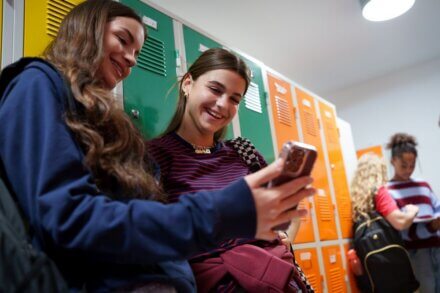 Why a Social Media Ban for Under-16s May Not Be the Answer 09.07.26
The Government’s proposed ban on social media for under-16s has sparked widespread debate about how best to protect young people online. While the policy aims to tackle issues such as cyberbullying, harmful content and excessive screen time, many educators believe…
Read more -
 The Surprising Old-School Subjects Making a Comeback 16.06.26
In an age defined by AI, coding, and rapid digital innovation, it might seem that traditional academic subjects are fading into the background. Yet across many independent schools, a quiet revival is underway, bringing classical disciplines and heritage skills back…
Read more -
 International Schools Abroad: Where Do You Start? 21.05.26
Moving overseas is exciting, but choosing the right international school can quickly become one of the most challenging parts of relocating. Whether you’re moving for work or starting a new adventure independently, planning ahead is essential — especially as many…
Read more -
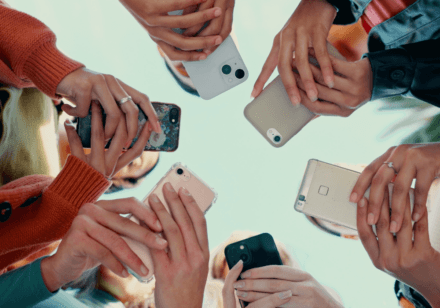 How London Schools Are Tackling Social Media Use 27.04.26
With the UK considering restrictions on social media for under-16s, London schools are taking varied approaches to managing students’ phone use and digital wellbeing. Many favour firm limits. At Francis Holland Prep, phones are banned to keep pupils focused on…
Read more -
 How to Navigate Conversations About World Conflicts with Children 16.04.26
Children today are increasingly exposed to news about global conflict, and the impact can be confusing and emotionally complex. From social media headlines to discussions at school, many young people encounter distressing information long before they are developmentally ready to…
Read more -
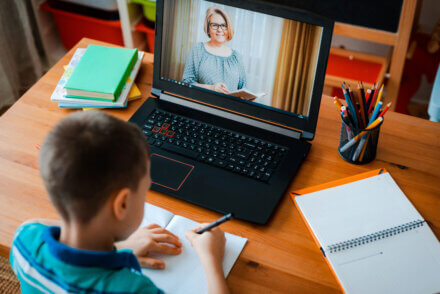 Autism, ADHD, or Mental Health: Could a Diagnosis Help Your Child? 23.03.26
If your child struggles with focus, anxiety, or unstructured time at school, there may be more going on than ordinary childhood phases. Neurodivergent conditions—such as autism, ADHD, dyslexia, dyspraxia, and dyscalculia—can impact learning, behaviour, and wellbeing, and early recognition is…
Read more -
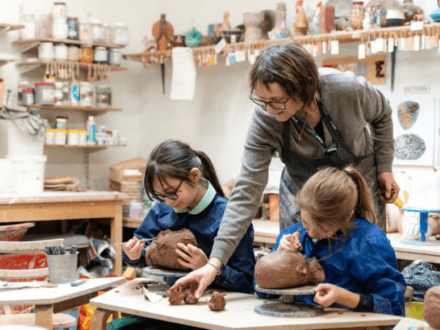 Stormont School and the Case for a Liberal Arts Education 23.03.26
At Stormont School in Potters Bar, Hertfordshire, the curriculum might look traditional—English, maths, science, sport—but the approach is anything but. Pupils are encouraged to ask questions, make connections, and look beyond individual subjects, embracing what the school calls a liberal…
Read more





COPYRIGHT © Abode2 2012-2026