
the No1 Google Ranking Luxury Property Magazine

Stormont School and the Case for a Liberal Arts Education
23.03.26At Stormont School in Potters Bar, Hertfordshire, the curriculum might look traditional—English, maths, science, sport—but the approach is anything but. Pupils are encouraged to ask questions, make connections, and look beyond individual subjects, embracing what the school calls a liberal arts philosophy.
This approach blends breadth and depth: science experiments sit alongside drama rehearsals, philosophy discussions follow sports, and Year 6 Life Skills classes teach practical skills from budgeting to engagement with local professionals. Assemblies feature speakers from McLaren, Lego, and the legal sector, helping children see links across disciplines.
Critical thinking, creativity, and expression are central. Specialist facilities—including an art studio, pottery room, Design Technology space, music studio, and extensive sports amenities—allow pupils to experiment and refine their skills. Co-curricular programs, from LAMDA to English Speaking Board assessments, build confidence and communication skills, with pupils regularly achieving top distinctions.
Stormont also emphasises character and citizenship, fostering resilience, curiosity, and responsibility. Leadership opportunities, interview preparation, and exposure to new interests prepare pupils for senior schools, with all Year 6 students in recent years gaining places at their chosen schools.4
Advocates of the liberal arts highlight versatility, and Stormont’s approach reflects this. By combining critical thinking, creativity, and communication skills with traditional academic study, the school equips pupils to thrive in a complex, rapidly changing world.

Categories
Property Of The Week
-
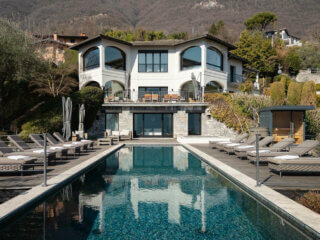 Property Of The Week: Contemporary Grandeur At Villa Musa, Lake Como
21.09.26
Property Of The Week: Contemporary Grandeur At Villa Musa, Lake Como
21.09.26
- Property Of The Week: Duplex Penthouse With Panoramic Sea Views, Roca Llisa, Ibiza 11.09.26
- Property Of The Week: A Secluded Traditional Villa In Sant Jordi, Ibiza 03.09.26



Abode Affiliates































































































































































































COPYRIGHT © Abode2 2012-2026