
the No1 Google Ranking Luxury Property Magazine
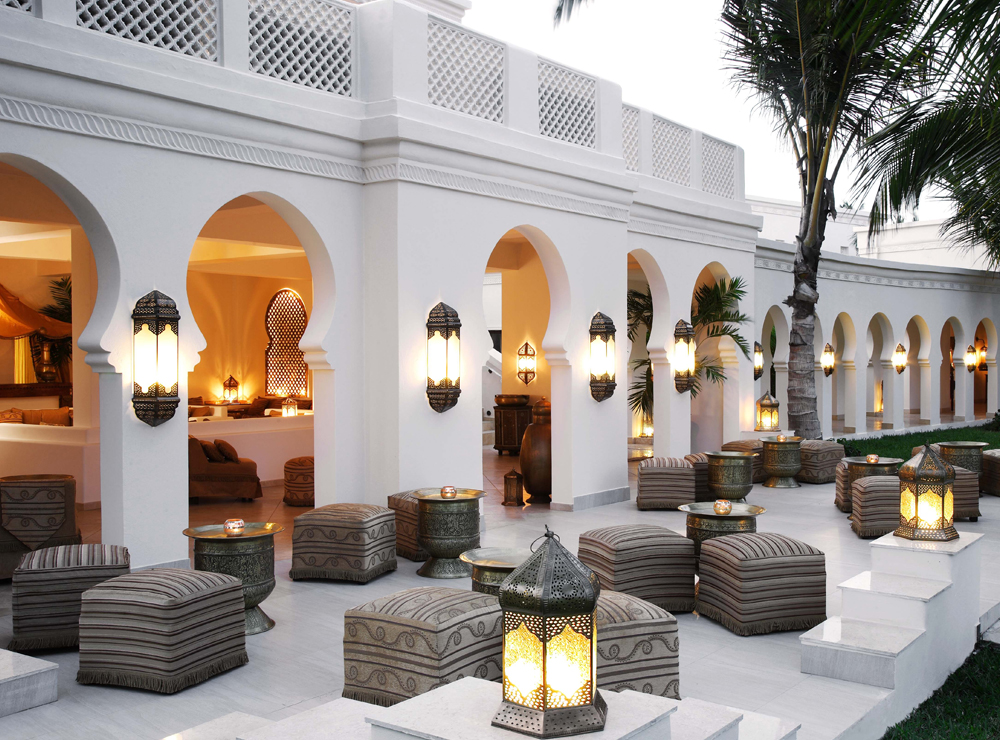
Why Zanzibar Is Emerging On The Prime Investor Radar
07.09.26Long regarded purely as a bucket-list safari add-on and Indian Ocean honeymoon sanctuary, the semi-autonomous archipelago of Zanzibar is experiencing a structural pivot into international real estate.
Often compared by market analysts to the early growth stages of Bali or Phuket a decade ago, the island is capturing the attention of institutional capital and cross-border property investors.
Driven by record tourism numbers, investor-friendly regulatory updates, and compelling yield profiles, Zanzibar represents one of the fastest-growing frontier property markets in the Global South.
Tourism and economic expansion
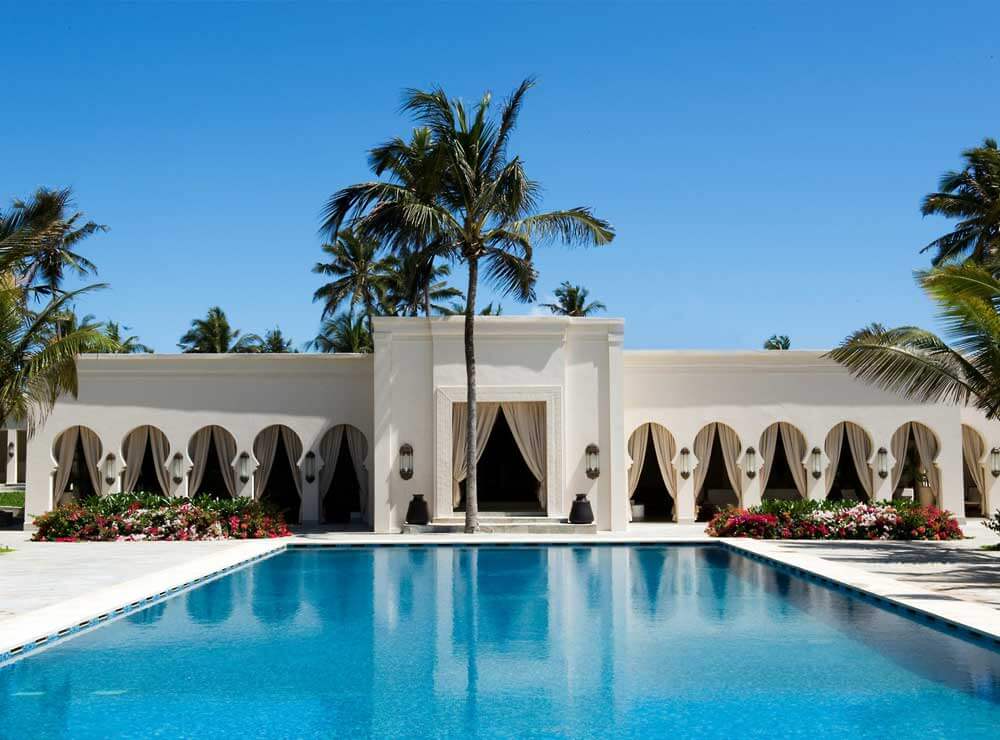
Unlike mature European markets currently navigating compressed yields and regulatory headwinds, Zanzibar’s property fundamentals are supported by rapid macroeconomic tailwinds.
This surging visitor volume has exposed an acute supply shortage of high-spec, professionally managed short-term holiday accommodations and branded residential units.
Exceptional rental yields and capital appreciation
In an international market where prime European and North American city apartments often yield net returns below 3% to 4%, Zanzibar’s performance metrics stand out:
According to industry market intelligence from Vela Zanzibar and local advisory groups, gross rental yields on managed resort apartments and beachfront villas in prime coastal hubs range between 7% and 12% annually in hard foreign currency (USD/EUR). After operational management fees and maintenance, net yields consistently track between 5% and 10%.
Industry research from The Africanvestor indicates that prime foreign-buyer property values in gentrifying coastal strips (including Paje and Kendwa) have seen 15% to 35% cumulative price appreciation over the past three years, with ongoing annual price growth estimated at 8% to 14%.
Quality new-build residential stock in master-planned communities exhibits average days-on-market of roughly 45 to 90 days, well ahead of older, non-regulated resale properties.
Strategic investment (ZIPA) & $100K residency
The primary catalyst unlocking international liquidity is the Zanzibar Investment Promotion Authority (ZIPA) framework under the Zanzibar Investment Act.
Historically, foreign land acquisition in Tanzania was fraught with complex legal restrictions. Today, government-approved Strategic Investment Projects offer a clear, legally secure environment:
- Residency by Investment (Class C-11 Permit): Foreign nationals who purchase approved real estate valued at $100,000 or more qualify for renewable two-year residency permits for themselves, their spouses, and dependent children. At this entry threshold, Zanzibar offers one of the world's most accessible residency-by-investment programs.
- Ownership Rights: Foreign buyers receive renewable 99-year leasehold titles on approved developments, with full legal rights to resell, lease, and bequeath.
- Fiscal Incentives: Strategic Investment Projects come with significant tax advantages, including 0% capital gains tax, a flat 15% income tax rate on rental revenues, and exemptions on property tax and import duties for building infrastructure.
Key micro-markets to watch
Fumba Town
A master-planned, sustainable eco-city located just 15 minutes south of the international airport. Featuring timber-engineered architecture and integrated retail infrastructure, it is the centre for corporate executives, digital nomads, and year-round expats.
Paje & Jambiani (South-East Coast)
The kitesurfing and boutique tourism capital of the island. Characterised by high short-term occupancy rates, Paje commands some of the strongest nightly rental yields across the Indian Ocean.
Nungwi & Kendwa (North Coast)
Known for non-tidal, swimmable turquoise waters and luxury five-star resort brands, this strip represents the island’s highest-value traditional hotel and residential real estate.

Categories
Property Of The Week
-
 Property Of The Week: A Botanical Grandeur At Acacia, Al Barari
12.10.26
Property Of The Week: A Botanical Grandeur At Acacia, Al Barari
12.10.26
- Property Of The Week: The Crown Duplex Penthouse At 100 George Street W1 07.10.26
- Property Of The Week: Modern Architectural Drama In The Heart Of Marylebone 28.09.26



Abode Affiliates































































































































































































COPYRIGHT © Abode2 2012-2026