
the No1 Google Ranking Luxury Property Magazine
The Global Cities Where Luxury Property Has Doubled In Five Years
12.10.26Prime real estate over the past half-decade has fundamentally rewritten the rules of international property investment.
While mainstream residential markets navigated aggressive interest rate cycles and macroeconomic friction, the top five percent of housing stock charted an entirely disparate path.
According to analysis using Knight Frank’s Prime Global Cities Index—which tracks luxury residential movements across 47 premier metropolitan centres—average luxury home values worldwide ticked up a modest 2.6% over the past 12 months. Yet beneath that subdued global average lies an astonishing geographical dispersion: a 167-percentage-point spread separating the world’s top-performing market from its steepest decliners over a five-year horizon.
For family offices, institutional allocators, and cross-border buyers, the data highlights how capital preservation has migrated decisively away from traditional legacy capitals toward emerging wealth havens and repositioned Asian financial hubs.
The top cities
Dubai
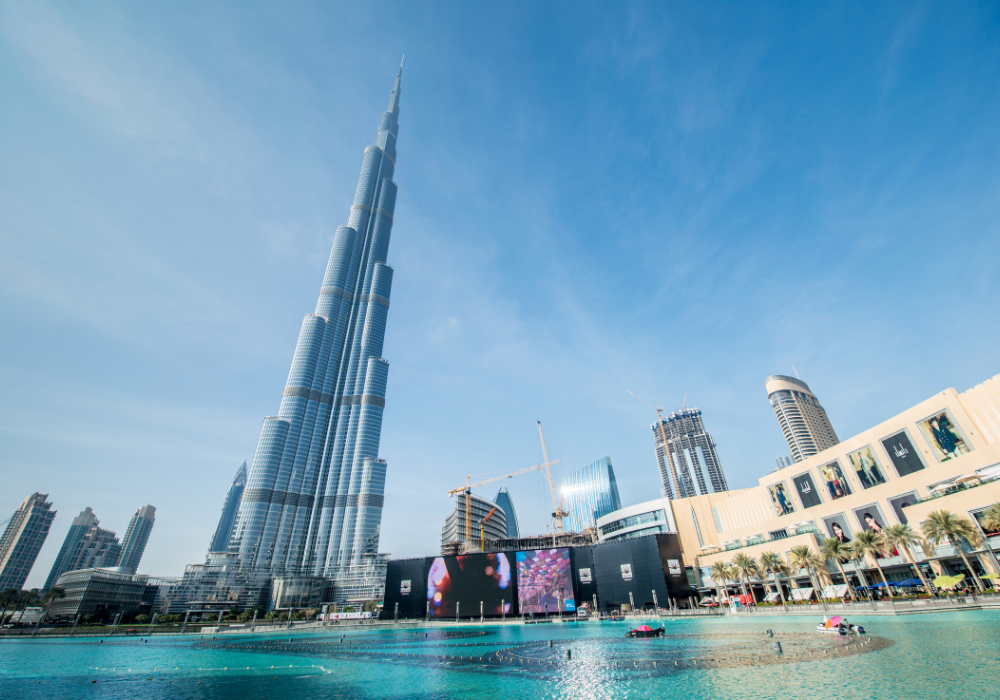
Leading the global index by a commanding margin, Dubai’s prime residential market has surged by 155.3% in the five years to the second quarter of 2026. An investor who acquired a prime villa on Palm Jumeirah or an ultra-luxury lateral residence in Downtown Dubai in mid-2021 now holds an asset worth more than two and a half times its initial acquisition value.
Over the past 12 months alone, prime values in the emirate climbed an additional 10.9%—ranking as the third-fastest annual pace globally and outperforming the international index average by more than fourfold.
While prime values in Dubai recorded a marginal 1.0% quarterly consolidation in the second quarter—reflecting a market entering a mature phase of price discovery rather than unchecked escalation—the emirate remains the definitive case study in structural wealth migration. Driven by proactive residency visas, zero direct taxation, world-leading infrastructure, and a largely cash-funded transaction base, Dubai has evolved from a speculative outpost into a permanent global capital anchor.
Tokyo and Manila

Only one other metropolitan centre managed to cross the triple-digit threshold over the five-year window: Tokyo.
Finishing just behind Dubai with a 141.7% five-year capital gain, Tokyo has staged an extraordinary performance, expanding at an eye-watering annual pace of 50.7% over the past year—the fastest annual surge tracked across all 47 cities. A combination of historic currency dynamics, record inbound foreign capital, and a chronic shortage of ultra-prime redevelopment sites across central wards has catalyzed a rare competitive scramble for Tokyo penthouses.
Taking the third position is Manila, where prime residential values rose 88.8% across the five-year evaluation window, supported by a robust 14.6% gain over the last 12 months. The Philippine capital’s luxury ascent has been powered by resilient domestic conglomerate wealth, expanding business process and tech districts, and strong overseas remittances targeting prime gated enclaves and bespoke towers in Bonifacio Global City and Makati.
London, Guangzhou, and Vancouver
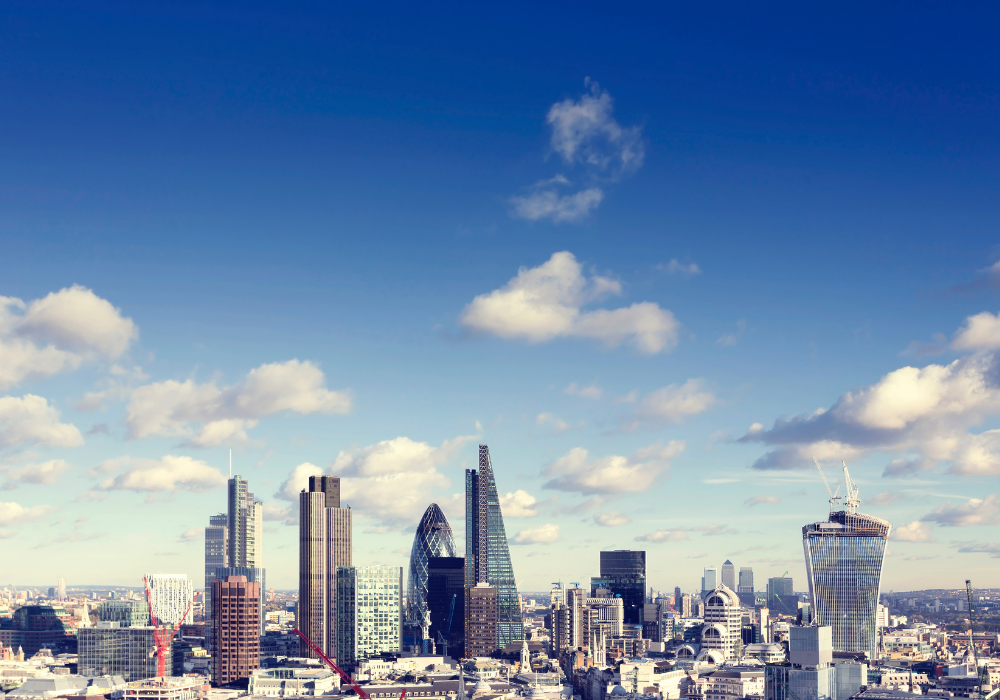
The stark divergence captured by Knight Frank becomes most apparent when comparing these dynamic growth nodes against historic wealth centres.
At the opposite end of the five-year spectrum, mainland China's Guangzhou recorded a cumulative prime price contraction of 11.9%, reflective of the broader structural realignments within Chinese property development. Auckland dropped 11.2%, while Vancouver—long targeted by foreign buyer restrictions and heightened transactional levies—shed 8.9%.
Even London, historically the world's most reliable store of prime residential value, highlights the ongoing shift.
Prime Central London values contracted 6.3% across the five-year span and fell another 3.6% over the past 12 months. Burdened by heightened borrowing friction in the mid-prime tiers, shifting non-dom taxation frameworks, and impending council surcharges, the UK capital has transitioned from a rapid capital appreciation play into an opportunistic, value-driven buyer’s market.
Key takeaways for high-net-worth portfolios
The five-year metrics underscore three fundamental truths defining super-prime residential property today:
1. Policy and taxation dictate growth
The markets capturing exponential gains—such as Dubai—have actively structured policy frameworks, residency pathways, and fiscal incentives designed to attract international capital.
2. Liquidity replaces leverage
The top-tier performers are propelled predominantly by un-leveraged private balance sheets, insulating them from the restrictive debt conditions that have suppressed secondary cities.
3. The global order is multiplying
Luxury real estate is no longer dominated solely by the London-New York axis. As Tokyo, Dubai, and emerging Asian capitals demonstrate, private capital is fluid, dynamic, and quick to reward destinations offering security, lifestyle, and financial freedom.
Receive a print copy of Abode2, or subscribe to our digital or print editions here.

Categories
Property Of The Week
-
 Property Of The Week: A Botanical Grandeur At Acacia, Al Barari
12.10.26
Property Of The Week: A Botanical Grandeur At Acacia, Al Barari
12.10.26
- Property Of The Week: The Crown Duplex Penthouse At 100 George Street W1 07.10.26
- Property Of The Week: Modern Architectural Drama In The Heart Of Marylebone 28.09.26



Abode Affiliates

















































































































































































COPYRIGHT © Abode2 2012-2026