
the No1 Google Ranking Luxury Property Magazine
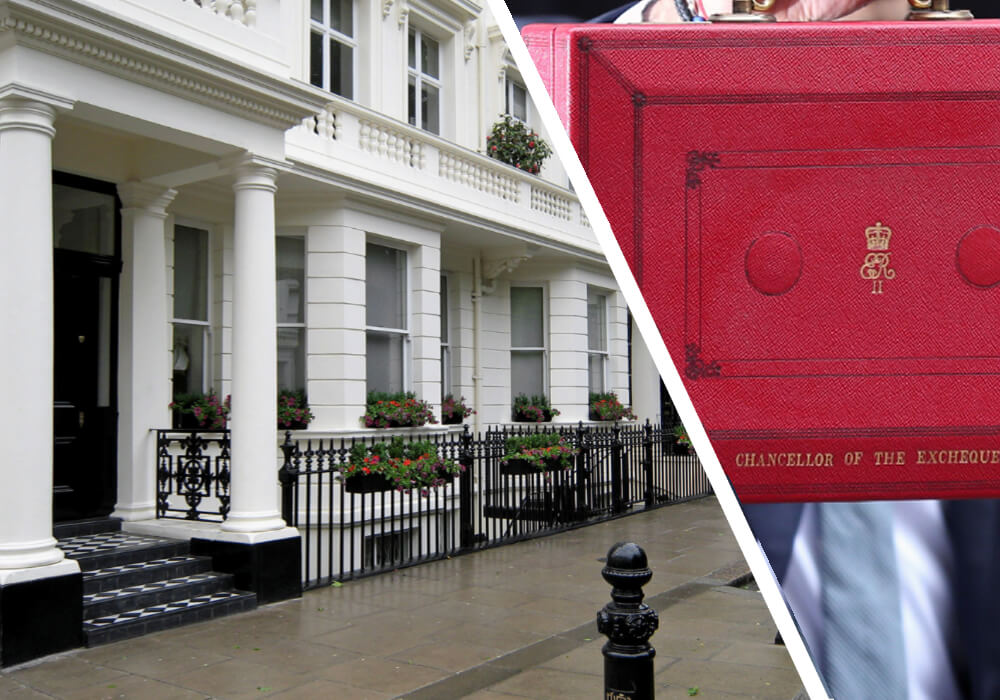
The £2M Threshold: Inside The UK’s Expanding “Mansion Tax” Net
01.09.26The UK’s high-value residential market is recalibrating as details surrounding the government’s new property surcharge come into sharper focus.
Officially titled the High Value Council Tax Surcharge (HVCTS)—and widely dubbed the modern "mansion tax"—the recurring annual levy will apply to residential properties in England valued at £2 million or more, with billing set to commence in April 2028 based on valuations established this year.
While initially projected to catch roughly 120,000 residences, updated fiscal modelling by the Office for Budget Responsibility (OBR) estimates that approximately 165,000 homes will fall within scope. That revision expands the tax base by nearly 40%, placing thousands of family homes across London and the Home Counties squarely on HM Revenue & Customs’ radar.
Unlike standard council tax, which flows to local town halls and remains anchored to 1991 baseline valuations, the HVCTS will be paid directly to the central Treasury. It is levied as a fixed annual addition on top of existing local council tax bills:
|
Property Valuation Band (2026 Values)
|
Annual Surcharge Rate
|
|
£2,000,000 to £2,500,000
|
£2,500 / year
|
|
£2,500,001 to £3,500,000
|
£3,500 / year
|
|
£3,500,001 to £5,000,000
|
£5,000 / year
|
|
Over £5,000,000
|
£7,500 / yeari
|
The Treasury projects the measure will generate upwards of £430 million annually from the 2028/29 fiscal year, with annual charges index-linked to the Consumer Prices Index (CPI) thereafter.
Geographic exposure
While government messaging frames the levy around super-prime estates, real estate analysts emphasise that geographic concentration will heavily weight the burden toward the South of England.
Parliamentary data highlights that central constituencies—led by Cities of London & Westminster and Kensington & Bayswater—account for the largest concentration of affected transactions. However, the £2 million floor also reaches deep into leafy prime suburbs and commuter belts like Richmond, Wimbledon, St Albans, and North Surrey. In these submarkets, modest four-bedroom Victorian or Edwardian family terraces routinely trade above £2 million, pulling long-term, asset-rich but cash-conscious homeowners into the surcharge brackets.
Market behaviour and the "£2M sub-threshold" effect
The upcoming levy is already shaping prime transaction negotiations. Research from estate agency Hamptons reveals emerging "price bunching" around the threshold, with more than 80% of offers on homes listed within 10% of £2 million coming in strictly below the £2 million line as buyers and vendors negotiate to avert future surcharge classifications.
At the same time, the Valuation Office Agency (VOA) is deploying targeted valuation exercises—combining desktop data, Land Registry records, planning files, and specialized inspections—to compile draft valuation lists ahead of late 2027. Following a summer consultation that examined potential non-resident surcharges and strict penalty structures for non-disclosure, legal and tax advisory firms are actively counselling prime property owners to audit current asset structures and maintain detailed records of capital works.
As the UK prime market adjusts to shifting tax frameworks—alongside reforms to property income tax rates and non-dom rules—the next 18 months will prove critical for portfolio planning, independent valuations, and transaction structuring across England’s luxury landscape.
Receive a print copy of Abode2, or subscribe to our digital or print editions here.

Categories
Property Of The Week
-
 Property Of The Week: A Botanical Grandeur At Acacia, Al Barari
12.10.26
Property Of The Week: A Botanical Grandeur At Acacia, Al Barari
12.10.26
- Property Of The Week: The Crown Duplex Penthouse At 100 George Street W1 07.10.26
- Property Of The Week: Modern Architectural Drama In The Heart Of Marylebone 28.09.26



Abode Affiliates































































































































































































COPYRIGHT © Abode2 2012-2026