
the No1 Google Ranking Luxury Property Magazine
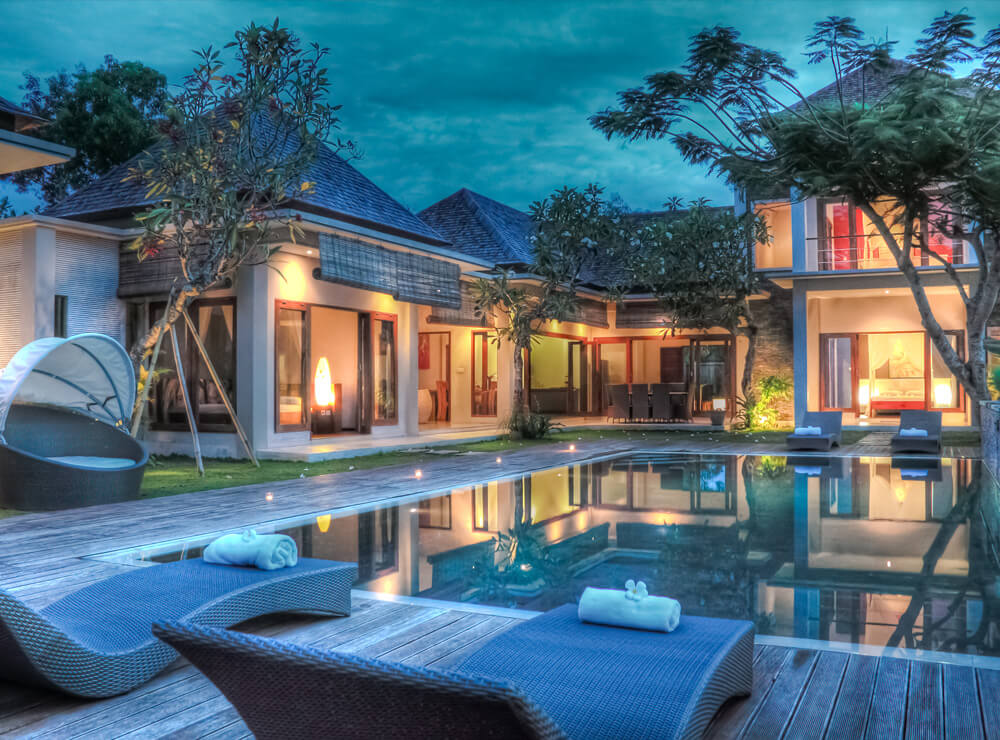
Market Reset: Thailand Closes Nominee Loophole As HNW Buyers Hit Pause
25.06.26The regulatory landscape governing Southeast Asia’s ultra-prime real estate market is undergoing a major structural shift. In Thailand, authorities have launched a sweeping nationwide crackdown on illegal corporate nominee structures, forcing wealthy foreign buyers and high-net-worth investors to temporarily pause acquisitions of luxury villas and resort compounds.
For decades, the "nominee loophole"—whereby foreign nationals utilised shell companies with dummy Thai shareholders to bypass strict land ownership laws—served as a common vehicle for acquiring premium landed assets in premier locations like Phuket, Koh Samui, and Pattaya. However, a sudden, intensive regulatory clampdown has effectively frozen this pathway, prompting a dramatic shift toward transparency and safer asset classes.
The flight to legal compliance and branded residences
This regulatory reset is fundamentally changing how international wealth interacts with Thai real estate. While demand for standalone, privately held villas faces a temporary bottleneck, the ultra-luxury condominium sector and legally compliant branded residences are experiencing an unprecedented influx of capital.
Under the Thailand Condominium Act, foreign nationals can legally own up to 49% of a building's total space entirely freehold in their own name. As a result, sophisticated investors are pivoting away from complex legal structures and instead targeting elite, vertically stacked penthouses and managed estate footprints backed by world-class hospitality brands.
What this means for your portfolio
For global property portfolios, the near-term takeaway is clear: the era of grey-area real estate acquisition in Thailand is over. While this has caused a brief slowdown in the velocity of raw villa sales, it is viewed by institutional analysts as a healthy long-term evolution.
As the market transitions toward total compliance, entry values for high-end residential assets are expected to stabilise, offering a more secure, transparent environment for generational wealth preservation in the Land of Smiles.

Categories
Property Of The Week
-
 Property Of The Week: A Botanical Grandeur At Acacia, Al Barari
12.10.26
Property Of The Week: A Botanical Grandeur At Acacia, Al Barari
12.10.26
- Property Of The Week: The Crown Duplex Penthouse At 100 George Street W1 07.10.26
- Property Of The Week: Modern Architectural Drama In The Heart Of Marylebone 28.09.26



Abode Affiliates































































































































































































COPYRIGHT © Abode2 2012-2026