
the No1 Google Ranking Luxury Property Magazine
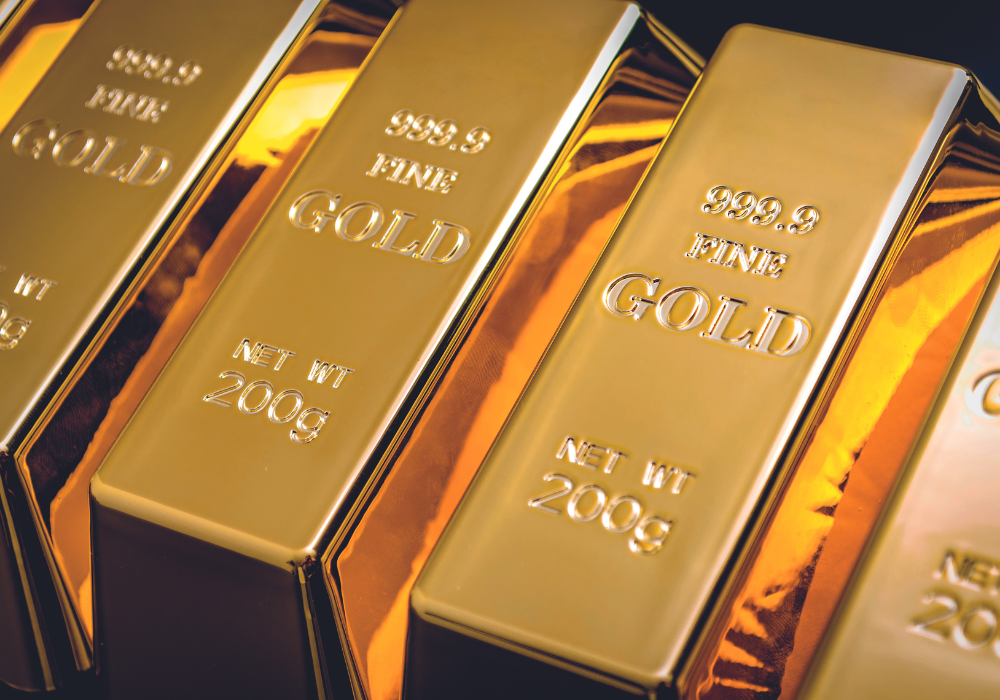
The “Gold Rush” In Luxury Real Estate: How It Shapes Our World
17.08.26When people hear the term "Gold Rush," they usually think of the 1849 California Gold Rush, where tens of thousands of prospectors raced west in search of buried treasure. That sudden discovery of precious metal created overnight millionaires, turned sleepy coastal villages like San Francisco into booming global cities, and reshaped the economy of an entire continent.
In today’s property market, the phrase is used to describe a very similar phenomenon: a sudden explosion of wealth in a single industry that floods the high-end housing market with billions in fresh capital.
Instead of gold nuggets, today's boom is powered by artificial intelligence (AI), tech initial public offerings (IPOs), and digital innovation. When these new tech giants go public or raise record funding, thousands of founders, executives, and early employees suddenly find themselves with life-changing cash. And almost immediately, that wealth flows into brick-and-mortar real estate.
How the modern Gold Rush works
The journey from tech wealth to property values follows a predictable, three-step chain reaction:
- A major tech or AI company sells shares, secures a massive valuation, or goes public. Overnight, startup equity turns into liquid cash.
- Newly minted millionaires look to protect and enjoy their gains. They buy trophy homes in core tech epicentres—such as San Francisco, Silicon Valley, Seattle, and Austin—triggering competitive bidding wars and driving up price tags.
- Once primary residences are secured, that surplus capital searches for lifestyle retreats. Buyers branch out into prime secondary markets: ski chalets in Aspen, lakefront estates in Lake Tahoe, vineyards in Napa Valley, coastal villas in Mallorca and Ibiza, or tax-advantaged properties in Dubai.
How this phenomenon impacts the world
While an influx of high-spending buyers fuels excitement in high-end architecture and hospitality, this wealth migration creates powerful ripple effects across local and global economies.
Sudden luxury demand brings substantial investment to resort towns and coastal havens. High-end construction booms, local artisan trades flourish, and upscale restaurants, private healthcare facilities, and boutique hospitality brands expand to meet the needs of affluent newcomers.
As high-earning tech buyers bid up prime estates, values naturally rise across surrounding neighbourhoods. This can create affordability pinches for local workforces—such as teachers, hospitality staff, and nurses—prompting regional governments to introduce stricter zoning laws or tax foreign/non-resident buyers.
The modern tech-wealth buyer approaches homes differently than past generations. Instead of sprawling traditional mansions, demand has shifted toward smart, energy-efficient estates featuring built-in wellness suites, soundproof home offices for remote work, and private security systems.
High-net-worth buyers are also no longer tethered to a single desk. With remote connectivity, today's "gold prospectors" are spreading their wealth across borders—moving fluidly between primary urban residences, sun-drenched Mediterranean holiday homes, and mountain getaways.
The modern real estate "gold rush" is a reminder of how quickly new industries can redraw the physical map. Just as the gold prospectors of the 19th century laid the foundations of modern cities, today’s digital fortunes are reshaping skylines, coastal retreats, and the definition of luxury living around the globe.
Receive a print copy of Abode2, or subscribe to our digital or print editions here.

Categories
Property Of The Week
-
 Property Of The Week: Modern Architectural Drama In The Heart Of Marylebone
28.09.26
Property Of The Week: Modern Architectural Drama In The Heart Of Marylebone
28.09.26
- Property Of The Week: Contemporary Grandeur At Villa Musa, Lake Como 21.09.26
- Property Of The Week: Duplex Penthouse With Panoramic Sea Views, Roca Llisa, Ibiza 11.09.26



Abode Affiliates

























































































































































































COPYRIGHT © Abode2 2012-2026