
the No1 Google Ranking Luxury Property Magazine
Belize Is Not One Property Market
29.09.26People sometimes tell me that they have decided to buy property in Belize as though the difficult location question has already been settled. I understand the assumption.
Belize is small, English is the official language, the legal system is consistent across the country and very different regions can be reached without crossing an international border. Seen from abroad, it can look like one compact Caribbean market. Once the search becomes serious, however, the differences inside the country begin deciding nearly everything that follows.
I usually ask how the property will be used before asking what style of home somebody prefers. Ten winter weeks and full-time residence are not versions of the same plan. Neither is a private retreat the same property as a home expected to earn enough short-term rental income to cover its costs, although people understandably hope one building might provide both. Distance from restaurants, flights and services can feel wonderfully private during a viewing and rather less romantic when a repair is needed. These questions are ordinary. After closing, ordinary questions have a habit of becoming the important ones.
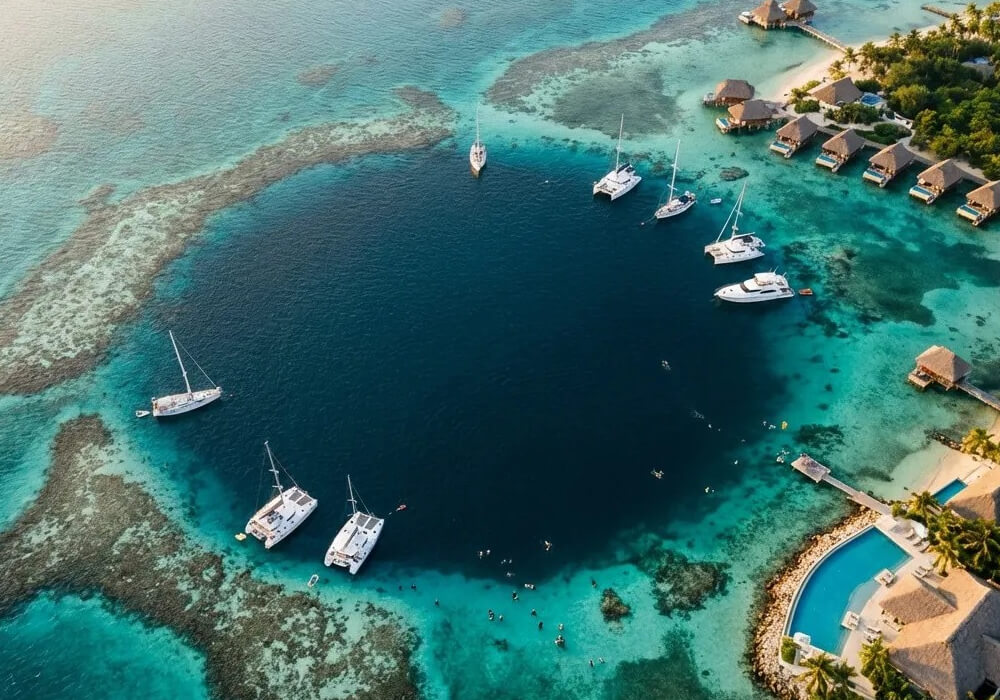
Ambergris Caye has Belize's most established tourism market and its largest concentration of restaurants, services and international visitors. For people who want an active island, frequent air connections and a property with vacation-rental potential, that concentration is part of the appeal. It also means more movement and, in many cases, higher costs than a visitor may expect after a quiet week on the island. That is not a hidden defect in Ambergris Caye. It is the character of a place whose tourism economy is already well developed.
Placencia is connected to the mainland by road and combines Caribbean frontage, lagoon access and a village where much of daily life can still happen on foot. Yet the word Placencia covers more variation than photographs tend to reveal. A home near the village, a property farther up the peninsula and a site reached or serviced from the water can ask very different things of an owner. Management, access and the reason for owning matter at least as much as the shared coastal setting.
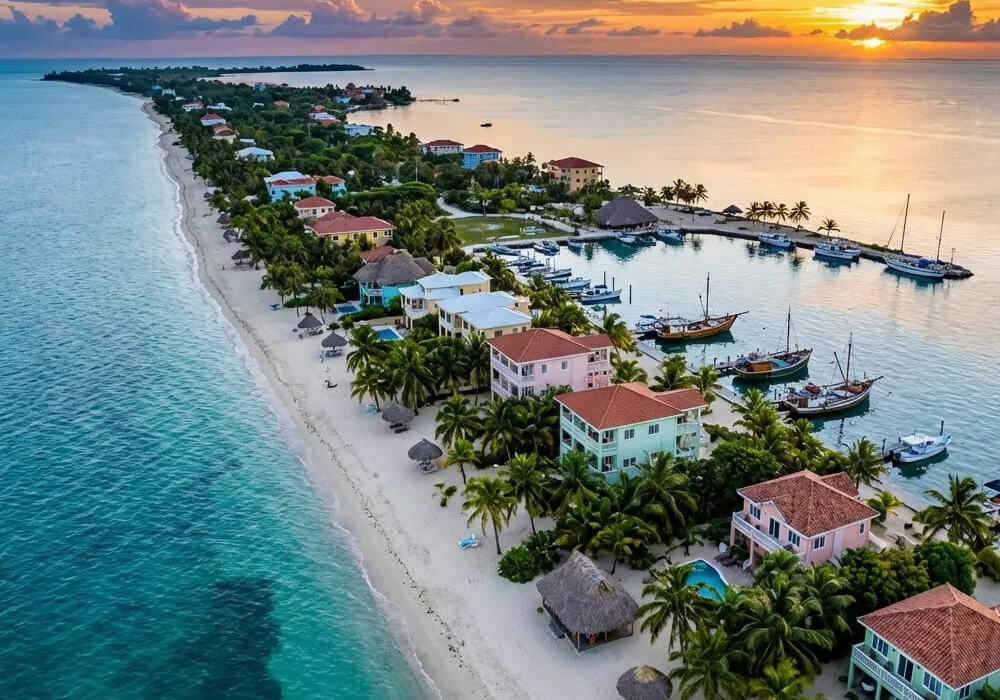
Placencia Peninsula combines Caribbean beachfront, lagoon access and a walkable village on Belize’s southern coast.
Hopkins requires another kind of attention because it is a living Garifuna community, not a resort district awaiting an identity. Many people are drawn to precisely that sense of place. The ones who understand it best tend to give relationships time, support the community around them and resist treating village life as an amenity supplied with the house.
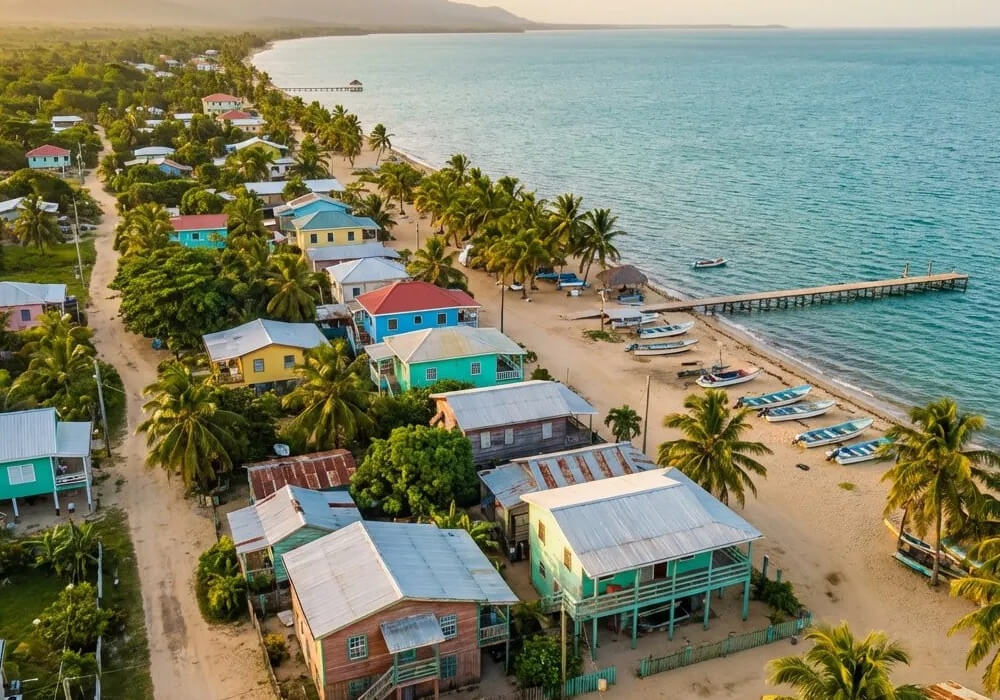
Hopkins offers a lower-density mainland coastal setting shaped by Garifuna culture and village life.
Then there is Cayo, where the sea gives way to river valleys, forested hills and the interior around San Ignacio. Searches there often involve more land and a routine that is less dependent on tourism. I have spoken with people for whom that is a far better description of the life they want than any beachfront address. Someone who has pictured the Caribbean outside the front door will make a different decision. Neither preference needs defending; it needs to be recognized before the property begins making the decision for them.
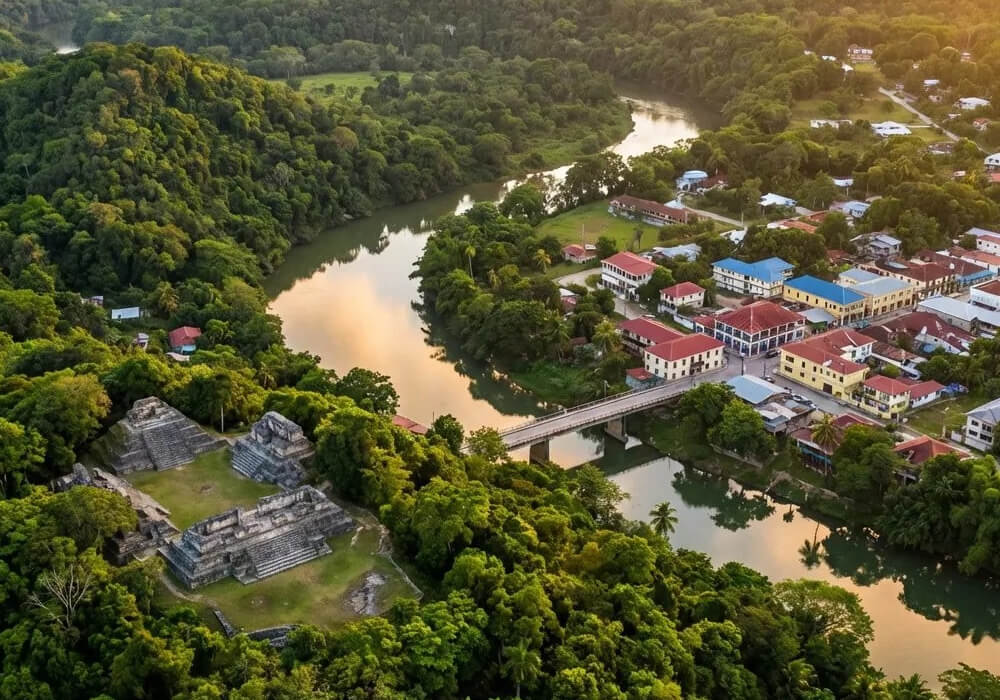
San Ignacio and the Cayo District offer a very different inland market, defined by rivers, jungle, agriculture and larger tracts of land.
The most difficult searches are usually those in which one property is expected to supply privacy without inconvenience, strong rental demand without much visitor activity, and quiet undeveloped surroundings without the added cost of construction, utilities or maintenance. Real properties rarely arrange themselves so neatly. The task is to decide which compromises will be noticed every day and which will hardly be noticed at all.
This is why routine due diligence matters more than a polished sales story. An independent attorney should review title and access. Utilities need to be confirmed at the site rather than assumed from the surrounding area. Ongoing costs should include the care required when the owner is away, not only the obvious expenses during a visit. None of that drains the pleasure from finding the right place. It keeps an attractive property from turning into a series of preventable surprises. A beautiful view will not make a roof stop leaking, and the person answering the telephone locally may matter more in that moment than the person who originally sold the house.
Belize does offer genuine advantages for overseas ownership. Foreign nationals can hold title directly, legal and business matters are conducted in English, and the country's size allows people to compare very different ways of living without travelling enormous distances. Those advantages make the search easier to begin. They do not produce one answer that works from Ambergris Caye through Placencia, Hopkins and Cayo.
By the time groceries, travel, neighbours, repairs, quiet, activity and the owner's willingness to stay involved have all been discussed, the location question usually looks different. Sometimes the property first imagined remains the right one. Sometimes the search moves across the country. That is normal. At that point, choosing a region becomes easier because the decision is attached to the person's daily life rather than to Belize in the abstract.
 About Will Mitchell
Will Mitchell is the Regional Owner of RE/MAX Belize, overseeing 13 offices and more than 100 agents nationwide. He has spent nearly two decades in Belize and was ranked among the top three RE/MAX agents worldwide in 2024. For information and market guidance, visit WillMitchellRealEstate.com or contact will@remaxbelizerealestate.com.
By Will Mitchell
Image courtesy: Will Mitchell / RE/MAX Belize

Categories
Property Of The Week
-
 Property Of The Week: Modern Architectural Drama In The Heart Of Marylebone
28.09.26
Property Of The Week: Modern Architectural Drama In The Heart Of Marylebone
28.09.26
- Property Of The Week: Contemporary Grandeur At Villa Musa, Lake Como 21.09.26
- Property Of The Week: Duplex Penthouse With Panoramic Sea Views, Roca Llisa, Ibiza 11.09.26



Abode Affiliates
































































































































































































COPYRIGHT © Abode2 2012-2026