
the No1 Google Ranking Luxury Property Magazine
Why 2026 Interior Design Is Moving Beyond Trends
14.01.26As the interior design world moves away from the rapid-fire cycle of "fast décor" and algorithm-driven aesthetics, 2026 is emerging as a major turning point for the home.
Experts suggest that the focus is shifting toward a broader cultural reset—one where longevity, emotion, and purpose take precedence over "Instagrammable" perfection.
According to industry analysts at luxury furniture retailer Arighi Bianchi, the current landscape isn't defined by a single "must-have" look, but rather by a move toward "anti-trends." Homeowners are increasingly rejecting disposable furniture in favour of pieces that support how they actually live, rest, and connect.
“What’s interesting about 2026 is the way certain ideas are proving their staying power,” says Lucy Mather, an interiors expert at Arighi Bianchi. “We’re seeing a real shift toward pieces and palettes that feel grounding, soulful, and worth investing in.”
Designing with soul
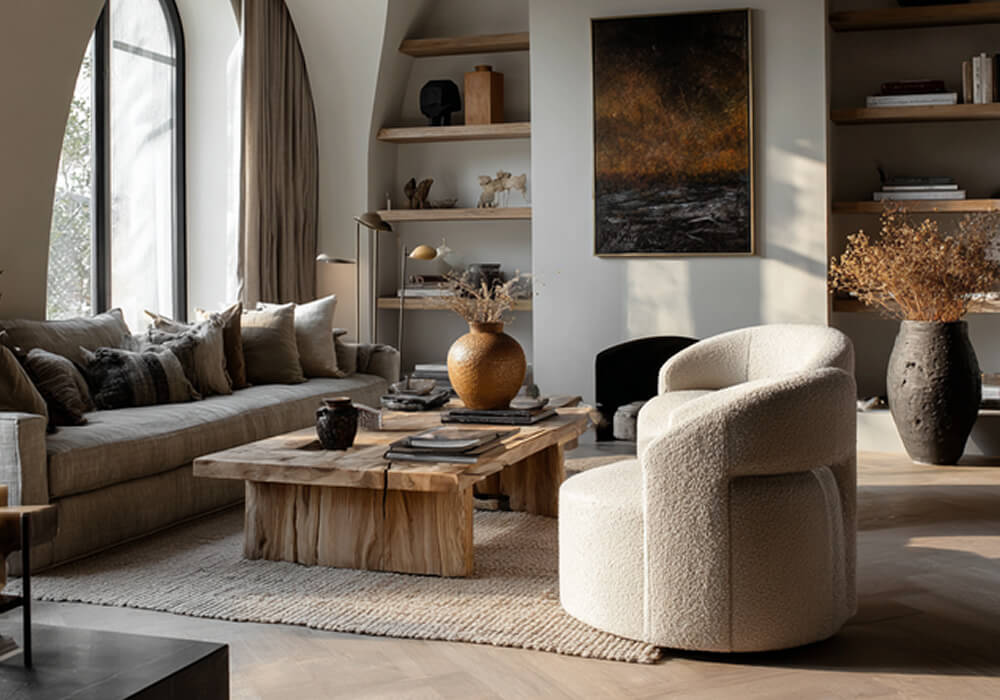
The industry is calling this movement the ‘Age of Intention.’ It marks the end of a decade dominated by "TikTok-driven micro-trends" and sterile minimalism. Instead, the focus has pivoted toward layering spaces with meaning—choosing colors that nurture and layouts that prioritize wellbeing.
Key indicators of this shift include:
- Earthy palettes: A move away from high-shine, clinical finishes toward natural tones.
- Artisanal sourcing: A preference for limited-production finds over mass-produced furniture.
- Curved silhouettes: The use of rounded forms to soften living environments.
The end of "fast décor"
The 2026 forecast identifies several formerly dominant trends that are now officially on their way out, replaced by more tactile and immersive alternatives.
From "showrooms" to "sculptural comfort"
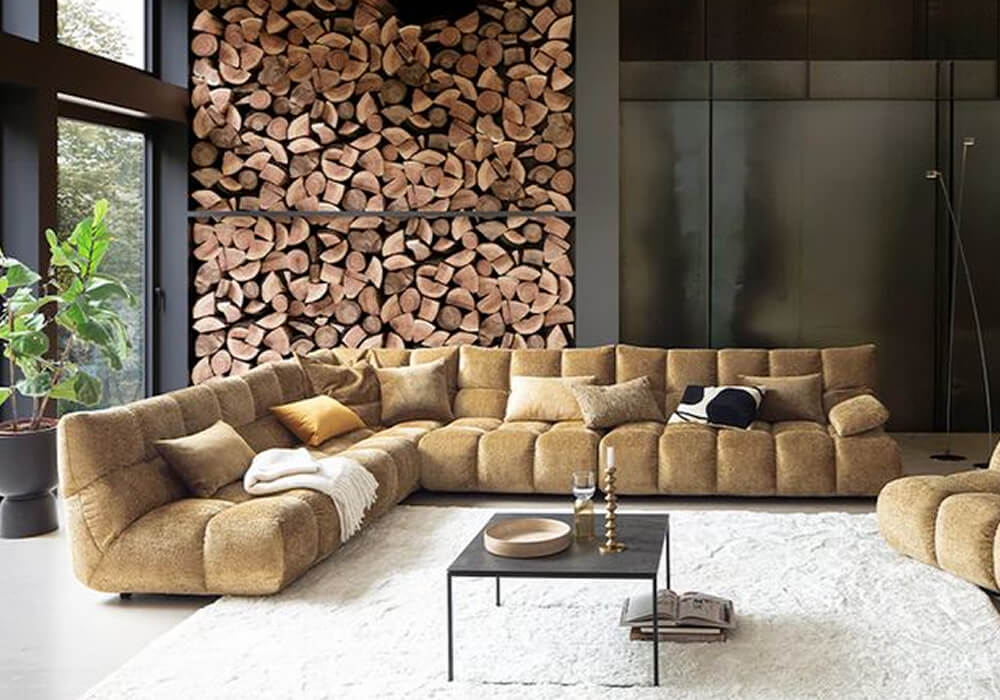
The era of rooms designed purely for visual appeal is being replaced by "sculptural comfort." This is best seen in the rise of "fat furniture"—oversized, exaggerated forms like bubble sofas and bold, rounded armchairs. These pieces act as modern hearths, designed for lounging and gathering without formality. This scaling-up is also hitting accessories, with chunky ceramics and statement lamps providing "visual weight" to a room.
Beyond "all-grey everything"
The monochrome grey aesthetic of the early 2020s has been replaced by "Material Drenching." This evolution goes beyond just painting a room one color; it involves saturating a space in a single material or texture, such as raw plaster, veined marble, or grainy oak. The result is a cocooning, immersive environment that feels more like an architectural installation than a decorated room.
Rejecting sterile minimalism
In response to the "clinical" look of recent years, 2026 is embracing imperfection. Freehand brushstroke motifs, traditional florals, and bold botanical prints are returning to favor. These patterns are particularly popular in smaller spaces, like bathrooms, where they add personality and a sense of heritage without overwhelming the home.

Categories
Property Of The Week
-
 Property Of The Week: $45M French Riviera Penthouse With Historic Kennedy Dynasty Ties
22.10.26
Property Of The Week: $45M French Riviera Penthouse With Historic Kennedy Dynasty Ties
22.10.26
- Property Of The Week: A Botanical Grandeur At Acacia, Al Barari 12.10.26
- Property Of The Week: The Crown Duplex Penthouse At 100 George Street W1 07.10.26



Abode Affiliates






























































































































































































COPYRIGHT © Abode2 2012-2026