
the No1 Google Ranking Luxury Property Magazine
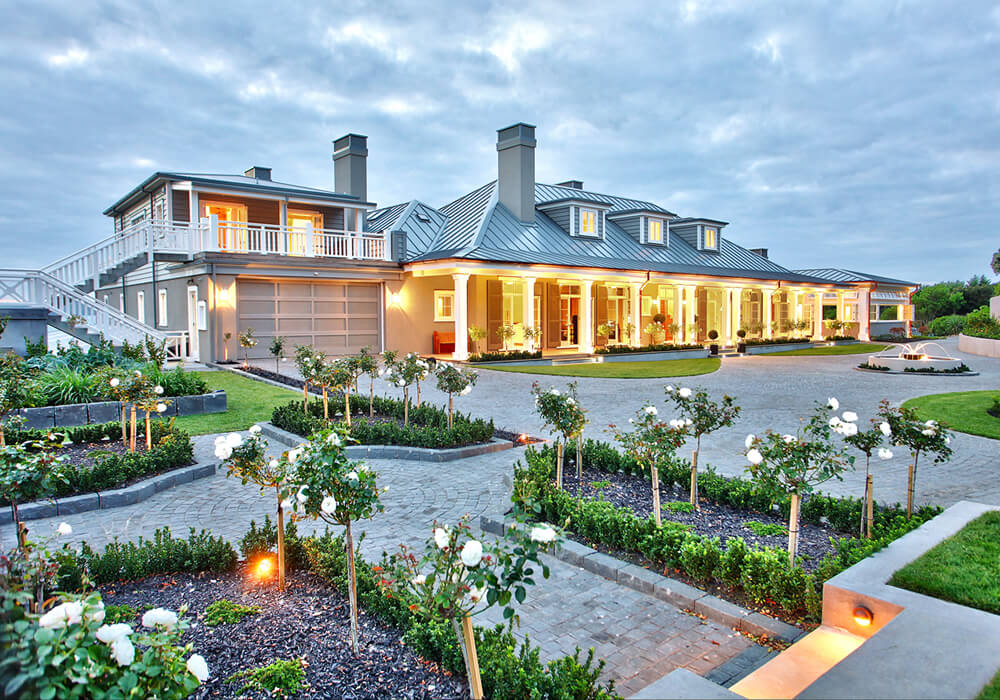
Try Before You Buy: New Zealand’s New Wealth Wave
17.08.26A major policy shift in New Zealand’s residency-by-investment landscape is creating an unprecedented ripple effect across the country’s high-end property sector. Rather than rushing directly into residential purchases, affluent global migrants are driving a multi-million-dollar surge in the ultra-luxury rental market as they explore the country before committing capital.
According to data from New Zealand property portal realestate.co.nz, demand for luxury rental accommodation climbed 43% year-on-year during the first five months of 2026. This activity intensified sharply following streamlined changes to the country's Active Investor Plus (AIP) Visa—widely known as New Zealand’s Golden Visa—with international luxury rental searches soaring by 123% year-on-year across April and May.
The attraction of the Golden Visa
The pre-purchase "Discovery Phase"
The Active Investor Plus pathway requires high-net-worth individuals to invest between NZD $5 million (under the direct growth category) and NZD $10 million in balanced assets to secure residency. Alongside legislation enabling Golden Visa holders to acquire residential property valued above NZD $5 million, the framework has reignited interest from North America, Europe, the UK, and Asia.
However, industry experts note that the path to purchasing is evolving.
Rather than acquiring prime estates sight unseen, wealthy relocators are opting for extended luxury stays to evaluate lifestyle, micro-climates, schooling, and regional infrastructure before making permanent real estate decisions.
Year-round high-value stays
Luxury rental operators report that this demographic behaves fundamentally differently from traditional seasonal tourists. While holidaymakers typically book for one to two weeks during the Southern Hemisphere summer, prospective investor migrants often book for a month or longer, traveling year-round.
Data from luxury accommodation specialist Stay Luxe reveals that 81% of prime rental guests are international, led by North American (41%) and Australian (27%) travelers. Top-tier luxury estates on the platform command an average booking value of approximately NZD $77,600, supported by nightly rates of around NZD $4,750.
This prolonged presence is smoothing out the traditional winter low season (June to September) in premium hubs like Queenstown, Wanaka, and the Hawke’s Bay. Families are actively living within local communities, dining out, engaging private transport services, and touring secondary-school campuses.
High-end rentals as the new real estate pipeline
Real estate leaders point to this luxury rental boom as an early indicator of long-term property acquisitions. To capture this momentum, platforms are rolling out specialised relocation portals connecting ultra-prime landlords directly with high-net-worth international applicants.
The trend has also exposed a structural shortage of ultra-luxury rental stock across New Zealand when compared to established hubs in Europe and North America. For domestic and international property investors, this gap offers strong rental yield potential, establishing high-end rental estates as both a lucrative asset class and the primary "front door" for New Zealand’s next wave of global wealth.

Categories
Property Of The Week
-
 Property Of The Week: $45M French Riviera Penthouse With Historic Kennedy Dynasty Ties
22.10.26
Property Of The Week: $45M French Riviera Penthouse With Historic Kennedy Dynasty Ties
22.10.26
- Property Of The Week: A Botanical Grandeur At Acacia, Al Barari 12.10.26
- Property Of The Week: The Crown Duplex Penthouse At 100 George Street W1 07.10.26



Abode Affiliates




























































































































































































COPYRIGHT © Abode2 2012-2026