
the No1 Google Ranking Luxury Property Magazine
Top 5 Design Trends For Luxury Homes In The USA
05.05.26As we move further into 2026, the definition of the American luxury home is shifting away from pure opulence toward a more curated, "quiet" sophistication.
High-net-worth homeowners are now taking advantage of spaces that balance cutting-edge technology with an organic, human-centric aesthetic, moving past the stark minimalism of previous years.
According to a 2026 analysis of the US luxury market, the current era of domestic design is being defined by five pivotal trends that reflect a deeper desire for wellness, sustainability, and architectural soul.
The top 5 trends
The return of "quiet luxury"
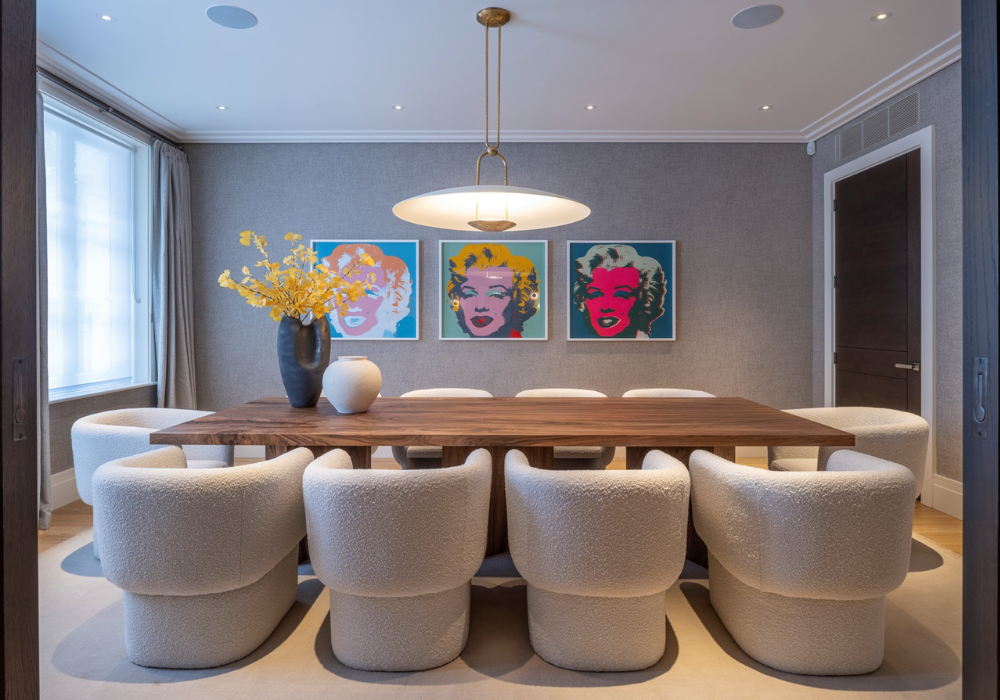
The prevailing trend across major US hubs, from the Hamptons to Beverly Hills, is the move toward "quiet luxury." This approach swaps flashy branding and gold-leaf accents for high-quality textures, bespoke craftsmanship, and a neutral palette. The focus is on tactile materials—think hand-trowelled plaster walls, reclaimed European oak flooring, and unlacquered brass—that feel timeless rather than trendy. It is an aesthetic that signals wealth through understated quality rather than overt display.
Biophilic integration and wellness suites
Biophilic design—incorporating nature into the built environment—has evolved from a niche interest into a standard requirement for the 2026 luxury build. Beyond simple indoor plants, architects are using "living walls," massive floor-to-ceiling retractable glass systems, and indoor courtyards to blur the lines between the interior and the landscape.
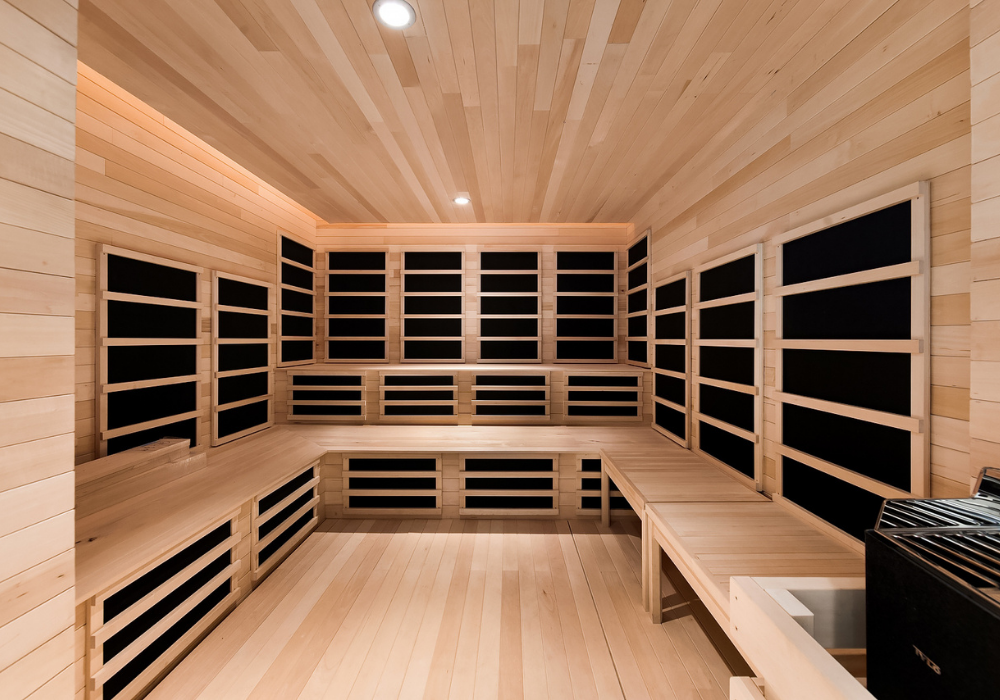
Parallel to this is the rise of the comprehensive Wellness Suite. No longer satisfied with a simple home gym, American homeowners are installing professional-grade recovery zones featuring infrared saunas, cold plunge pools, and sound-frequency therapy rooms. These spaces are designed to be as aesthetically pleasing as they are functional, utilising natural stone and soft, integrated lighting to create a spa-like atmosphere.
Smart systems and sustainability
Sustainability has moved from a "checklist" item to a core design driver. Luxury homes are increasingly using "Smart Surfaces"—materials that are not only eco-friendly but also self-healing or carbon-capturing.
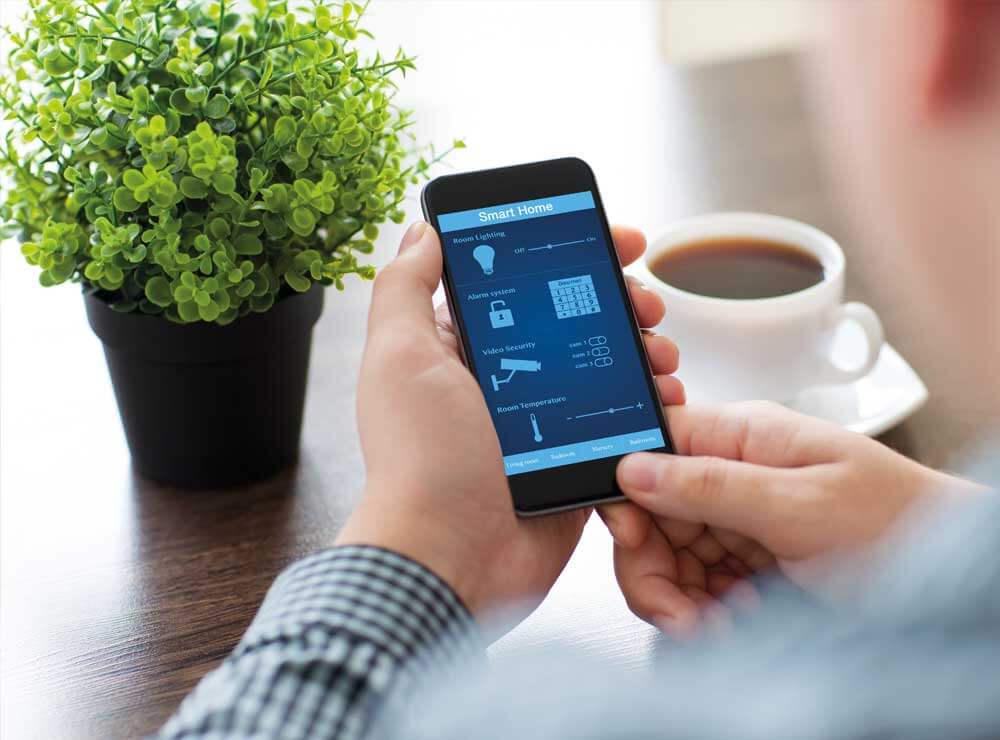
The 2026 smart home is also becoming more invisible. Homeowners are moving away from wall-mounted tablets and toward integrated AI systems that manage lighting, climate, and security through voice or gesture, hidden entirely within the home’s architecture. This ensures that while the home is technologically advanced, the "tech" never interferes with the visual harmony of the design.
Custom culinary hubs
While open-plan living remains popular, there is a growing trend toward the "Back Kitchen" or "Scullery." The main kitchen has become a social stage—a place for gathering and display—while the heavy-duty preparation and cleaning are relegated to a hidden, secondary professional kitchen. This allows the primary living space to remain pristine during large-scale entertaining, a priority for the modern American host.
The hobby room
Finally, there is a distinct shift toward personal spaces. In 2026, the "bonus room" is being replaced by highly specific hobby sanctuaries. Whether it is a temperature-controlled vinyl listening room, a private library with hidden "speakeasy" access, or an art studio with museum-grade lighting, luxury collectors are dedicating significant square footage to their personal passions, ensuring the home is a true reflection of their individual narrative.

Categories
Property Of The Week
-
 Property Of The Week: A Botanical Grandeur At Acacia, Al Barari
12.10.26
Property Of The Week: A Botanical Grandeur At Acacia, Al Barari
12.10.26
- Property Of The Week: The Crown Duplex Penthouse At 100 George Street W1 07.10.26
- Property Of The Week: Modern Architectural Drama In The Heart Of Marylebone 28.09.26



Abode Affiliates






























































































































































































COPYRIGHT © Abode2 2012-2026