
the No1 Google Ranking Luxury Property Magazine
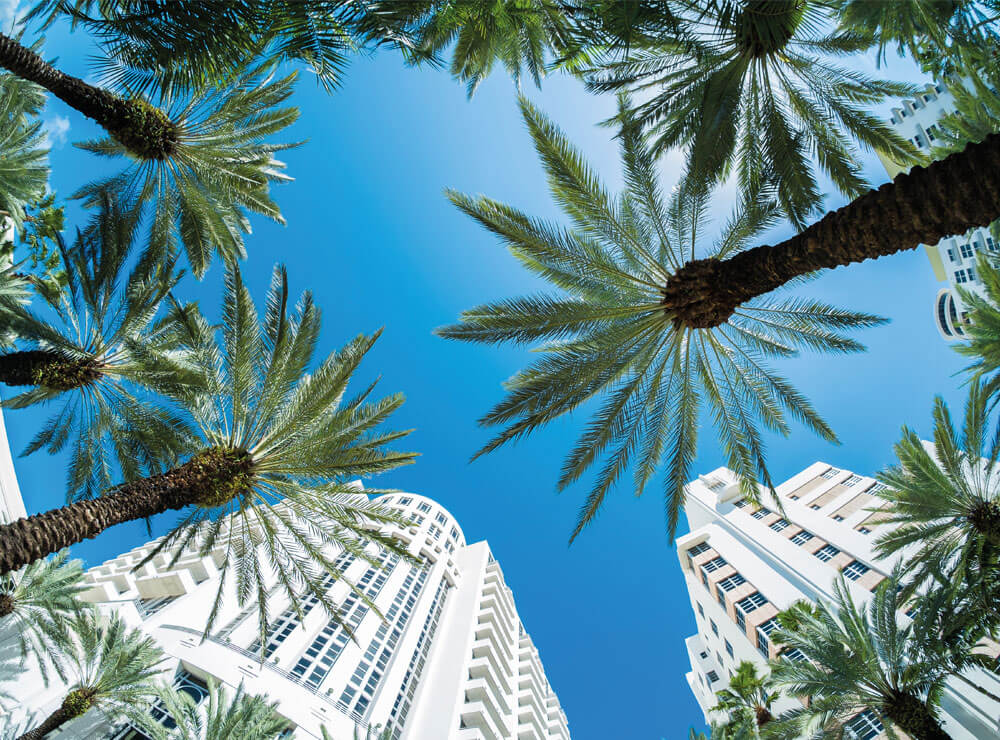
Saudi Arabia Set To Establish Itself As International Real Estate Hub
28.10.24Over the past decade, the world has seen Saudi Arabia undergo an immense transformation. Thanks to its leaders’ commitment to modernisation and reform, the kingdom has successfully attracted investors and buyers from across the globe, expanding its property market significantly.
This metamorphosis has been driven in no small part by a slew of government-backed economic initiatives and giga projects. Consequently, Saudi Arabia is now set to establish itself as an international real estate hub in a shift reminiscent of the meteoric rise of the UAE’s property market.
So, with immensely promising levels of growth, what lies ahead for Saudi Arabia’s burgeoning real estate sector?
Last year, the kingdom amended its investment and real estate laws to boost foreign investment, and those opportunities are not going unnoticed. In fact, According to an analysis from Red Seer Strategy, the sector is on course to witness 62% growth over the next four years, reaching approximately $100 billion by 2027.
The capital, Riyadh, is the main focal point of this growth, set to account for nearly half of the market by the end of this period. Other major cities such as Jeddah and Dammam are also projected to experience significant activity, with commercial property making up a significant portion of the overall real estate market.
With all of these impressive projections in place and seemingly on track, the total value of Saudi Arabia’s property sector looks to pass $2 trillion this year, with residential real estate accounting for $1.39 trillion of this figure.
Indeed, the kingdom has already gone to great lengths to establish its entertainment sector. An ever-expanding calendar of events is serving to strengthen its reputation as a tourism destination while convincing residents to forego overseas vacations in favour of the nation’s emerging arts scene.
Saudi's e-visa programme is a further positive step, allowing visitors from 49 countries to travel to the kingdom for up to three months. This forward-thinking move helped to boost tourism significantly and, in turn, the country’s non-residential real estate market. Since then, e-visas have been extended to a further six new countries – a change that is predicted to raise tourism’s contribution to KSA’s GDP from 3% to 10% while providing one million job opportunities.

Categories
Property Of The Week
-
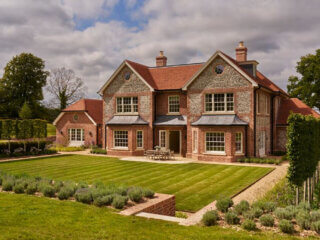 Property Of The Week: Luxury Georgian Country Estate For Sale In Hampshire
26.01.26
Property Of The Week: Luxury Georgian Country Estate For Sale In Hampshire
26.01.26
- Property Of The Week: The Kove – A Mediterranean Masterpiece In Mijas 21.01.26
- Property Of The Week: Forest Edge | Grand Design, Natural Setting, Formby, L37 16.01.26



Abode Affiliates




















































































COPYRIGHT © Abode2 2012-2026