
the No1 Google Ranking Luxury Property Magazine

How to Raise Confident, Kind and Emotionally Intelligent Children in Affluent Families
16.04.26Raising children in affluent households brings both opportunity and complexity. Alongside privilege can come pressure, including entitlement, anxiety, and an over-reliance on achievement for self-worth. The question many parents face is how to ensure advantage translates into grounded, emotionally intelligent development.
Across leading UK independent schools, a clear set of principles emerges. Confidence is seen as something built through experience, not protection—shaped by responsibility, challenge, and connection to others rather than comfort or constant reassurance.
At schools such as Downside, privilege is deliberately reframed as responsibility, encouraging students to see effort, mistakes and standards as part of growth. Benenden and Channing emphasise community engagement and service, helping pupils develop empathy and perspective through regular interaction beyond their immediate environment. Pangbourne highlights the role of the outdoors and manageable challenge in building resilience and separating identity from achievement, while Worth focuses on values-led education, encouraging reflection, service and reduced comparison.
Taken together, these approaches point to a consistent idea: children in privileged settings benefit most when opportunity is balanced with boundaries, perspective and real-world experience.

Categories
Property Of The Week
-
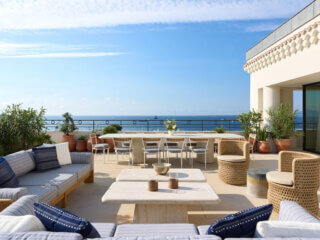 Property Of The Week: $45M French Riviera Penthouse With Historic Kennedy Dynasty Ties
22.10.26
Property Of The Week: $45M French Riviera Penthouse With Historic Kennedy Dynasty Ties
22.10.26
- Property Of The Week: A Botanical Grandeur At Acacia, Al Barari 12.10.26
- Property Of The Week: The Crown Duplex Penthouse At 100 George Street W1 07.10.26



Abode Affiliates






























































































































































































COPYRIGHT © Abode2 2012-2026