
the No1 Google Ranking Luxury Property Magazine
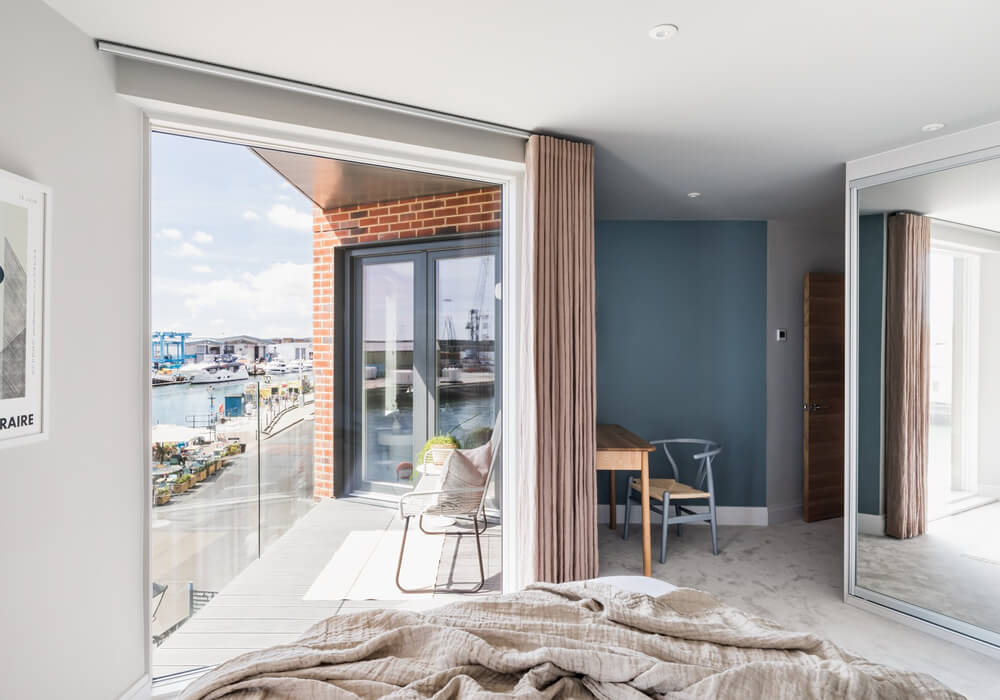
Housing Forecast: London Property Faces A Prolonged Reset To 2028
09.11.26According to downgraded projections from Savills, the UK housing market’s recovery is not expected to gain traction until the second half of 2028, with London positioned as the country’s weakest-performing market.
The revised trajectory stems from stubborn macroeconomic headwinds. With persistent geopolitical tensions pushing back the timetable for significant interest rate cuts, average UK mortgage rates are now projected to hover above the 5% threshold until early 2028. This prolonged financing squeeze will keep nationwide prices suppressed, with values forecast to fall by a further 1.5% in 2027 and total peak-to-trough declines approaching 3.0%.
While the broader UK market is modelled to gain 15.8% (or roughly £56,500) over the five-year window to 2031, London’s capital baseline is absorbing the brunt of the adjustment. Constrained mortgage-to-income multiples, recent tax uncertainty, and high entry barriers mean the capital must undergo a longer, more grinding period of price discovery.
Freehold scarcity vs. suburban flat squeeze
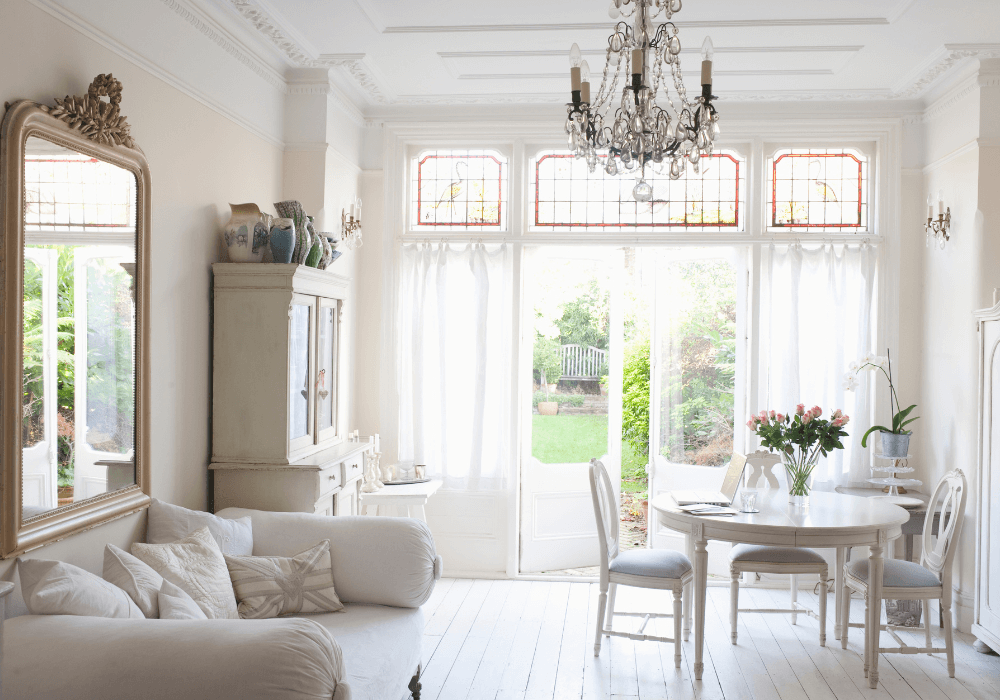
The slowdown across the capital is not hitting all property types equally; it has split the London market down asset-class lines.
Mainstream flats and generic developments face intense structural headwinds. A combination of stretched domestic affordability, leasehold reform friction, ongoing building safety compliance, and landlord portfolio divestment has created a supply surplus, forcing vendors into sharp price renegotiations.
Conversely, prime freehold townhouses and detached family residences continue to demonstrate relative pricing discipline. Supported by hybrid working demands and demographic shifts, affluent buyers are aggressively competing for turnkey, freehold space. As Emily Williams, director of residential research at Savills, highlighted, forced sales remain low because most existing borrowers have already absorbed higher borrowing costs over the past three years. The issue for London is not distressed liquidation, but widespread transactional inertia.
Central London: The asymmetric value proposition
For international capital and ultra-high-net-worth investors, London’s delayed mainstream recovery creates an asymmetric opportunity in Prime Central London (PCL).
Because mainstream suburban growth is heavily geared to domestic debt, London will lag Northern and regional markets during the initial recovery phase. However, PCL operates on an independent currency:
- Unlike the outer boroughs, Prime Central London transactions remain predominantly cash-funded, shielding the upper tier from domestic mortgage stress.
- After years of subdued performance dating back to the 2016 stamp duty changes, prime central valuations sit at historic discounts in real terms, particularly when paired with favourable foreign exchange rates for dollar-denominated balance sheets.
- Savills projects that Prime Central London will outperform mainstream capital values toward the tail end of the forecast period, with pent-up cross-border demand driving values upward once rate visibility improves.
While domestic buyers face a two-year holding pattern until rate relief arrives in 2028, sovereign buyers and opportunistic family offices are using this window of transactional paralysis to secure rare freehold addresses across Mayfair, Belgravia, and Kensington at prices that have not yet begun their next cyclical ascent.
Receive a print copy of Abode2, or subscribe to our digital or print editions here.

Categories
Property Of The Week
-
 Property Of The Week: Villa Wilma, A Landmark Waterfront Estate On Lake Geneva
09.11.26
- Property Of The Week: Coastal Modernism At Seaside Plaza, Fontvieille 28.10.26
- Property Of The Week: $45M French Riviera Penthouse With Historic Kennedy Dynasty Ties 22.10.26



Abode Affiliates
































































































































































































COPYRIGHT © Abode2 2012-2026