
the No1 Google Ranking Luxury Property Magazine
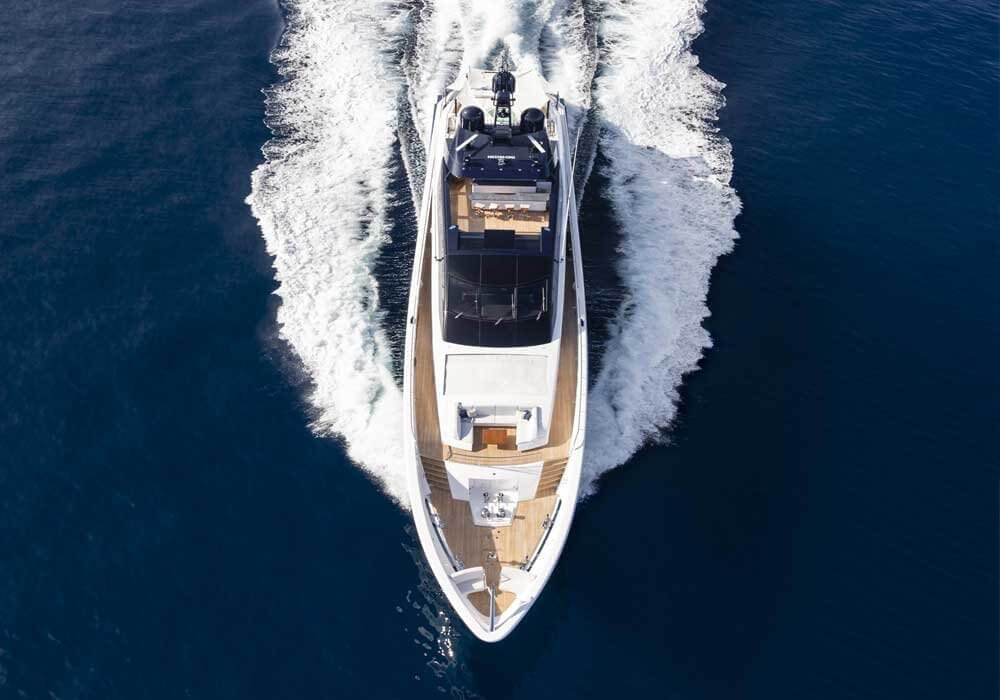
Fractional Superyacht Ownership For The 2026 Mediterranean Season
15.04.26The 2026 Mediterranean season is no longer about the vanity of sole ownership but about "Sovereign Access", Abode2 has found.
It's the ability to command a world-class superyacht without the logistical friction or the 100% financial burden of a depreciating asset. Fractional ownership has therefore moved from a niche concept to the smartest strategic move in the luxury market.
As we approach the height of the 2026 summer season, data from firms like SeaNet and Nexgen Yachting shows a record surge in fractional buy-ins. The reason is simple: investors are realising that while they only use their yachts for an average of 5 to 8 weeks a year, sole ownership requires 52 weeks of maintenance, crew management, and berthing fees.
1. The 60% savings rule
In 2026, the financial delta between sole and fractional ownership is impossible to ignore. A 100ft motor yacht valued at $10 million typically requires an annual operating budget of $1.3 million (roughly 13% of its value).
By contrast, a 1/4 share in the same vessel reduces the initial capital outlay to $2.5 million and the annual overhead to approximately $325,000. For the investor, this represents a 60-75% lower capital requirement while still providing 10-13 weeks of prime usage—more than enough to cover the Monaco Grand Prix, the Cannes Yachting Festival, and the peak August weeks in Ibiza.
2. Eliminating the "management headache"
The true luxury of a managed yacht syndicate in 2026 is the removal of the "Hidden Bill." Standard sole ownership involves negotiating crew salaries, insurance premiums (currently 0.8%–1.2% of value), and berthing concessions in overcrowded Mediterranean hubs like St. Tropez or Porto Cervo.
Under a managed fractional model:
- Companies like SeaNet handle all crew rotation, provisioning, and technical maintenance.
- Owners simply book their weeks via an app, arriving to a fully provisioned vessel with their personal items already on board.
- Investors receive quarterly financial reports, turning what is usually an "emotional" expense into a transparent, business-like asset.
3. The exit strategy
A common critique of fractional ownership was historically its lack of liquidity. However, in 2026, a robust secondary market for "Shared Shares" has matured. Because these yachts are professionally managed and maintained to a standard often higher than privately run vessels, their resale value remains firm.
Savvy owners are now using fractional shares as a short-to-medium-term play, holding a share for 3-5 years and exiting before the yacht hits its first major five-year survey, thus optimising the asset's lifecycle and minimising depreciation hits.
4. Eco-performance: The 2026 "Green" premium
The 2026 Mediterranean season is dominated by a new demand for hybrid and sustainable yachting. Managed syndicates are leading this charge, often updating their fleets with the latest hybrid propulsion and noise-reduction technologies. For the alternative investor, buying into a 2026 Lagoon 65 or Sunreef 80 catamaran share offers a lower-emission cruising profile that is increasingly mandatory for entering certain European marine protected zones.

Categories
Property Of The Week
-
 Property Of The Week: Duplex Penthouse With Panoramic Sea Views, Roca Llisa, Ibiza
11.09.26
Property Of The Week: Duplex Penthouse With Panoramic Sea Views, Roca Llisa, Ibiza
11.09.26
- Property Of The Week: A Secluded Traditional Villa In Sant Jordi, Ibiza 03.09.26
- Property Of The Week: Historic 66-Hectare Wine & Olive Estate, San Gimignano 27.08.26



Abode Affiliates



















































































































































































COPYRIGHT © Abode2 2012-2026