
the No1 Google Ranking Luxury Property Magazine

Castles For Sale: Find Your Hocus Pocus Halloween Home
29.10.25Research by Enness Global provides a captivating snapshot of the UK's castle market, highlighting an average price of £2.2 million, a deposit of £332,609, and monthly mortgage repayments exceeding £10,000.
The current availability of 11 estates for sale demonstrates a relatively healthy stock for this niche segment.
Investment and regional variations
Beyond the average, the current market features properties at the higher end of the spectrum, offering significant estate value. Scotland appears to be a prime location for major castle investments:
- Shuna Castle, near Oban, is listed at £5.5 million and uniquely includes its own private island, showcasing the potential for exclusivity and land ownership as part of the appeal.
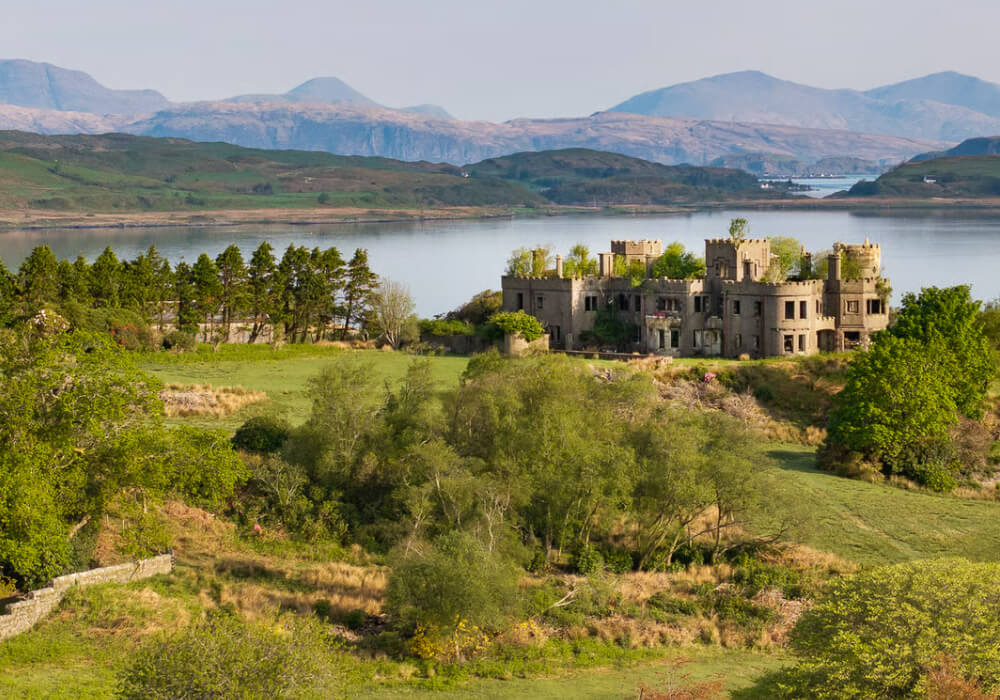
- The Baronial Castle in West Fife, priced at £3.45 million, appeals to those seeking a blend of historic architecture and contemporary living, following a modern restoration.
The appeal is often not just the building itself, but the historical context and size of the estate. The market for Scottish estates, in general, saw a 41% increase in supply in 2023, with a significant average sale price of £7.5 million—17% higher than the five-year average. This indicates strong, though highly specific, investment demand, particularly from those motivated by natural capital investment.
Costs and conservation of castle ownership
While the purchase price is substantial, it is often just the beginning of the financial commitment. Potential buyers must be acutely aware of the ongoing challenges and costs associated with owning a historic, and often listed, property:
- Maintenance and repair: Castles require extremely high maintenance. Since many are Listed Buildings, owners face stringent historical restrictions on the materials and methods that can be used for repairs, necessitating expensive, highly specialised craftspeople (e.g., master stonemasons). This specialist work can cost a fortune, leading to repair budgets that can dwarf the initial purchase price, especially for properties needing extensive restoration.
- Running costs: Heating vast, thick-walled stone buildings is notoriously difficult and exceptionally expensive. Similarly, insurance for such unique and historic structures can be prohibitive.
- Legal and historical obligations: Owners are typically under an obligation to maintain and repair the castle to a high standard to comply with conservation rules from bodies like Historic England or Historic Environment Scotland. Failing to do so can lead to disputes with heritage foundations.
Offsetting costs: Commercial revenue potential
To help mitigate the staggering upkeep costs, many modern castle owners turn the properties into commercial venues. Strategic development can significantly offset financial burdens, with common revenue streams including:
- Events and hospitality: Hosting weddings (which can generate thousands per event), corporate functions, or private dining experiences.
- Exclusive stays: Offering high-end, exclusive accommodation rentals.
- Visitor attractions: Operating the property as a visitor attraction, similar to famous examples like Highclere Castle (the setting for Downton Abbey), generating revenue from ticket sales and tours.

Categories
Property Of The Week
-
 Property Of The Week: A Contemporary Cliffside Home In Mallorca’s Coveted Cala Llamp
20.07.26
Property Of The Week: A Contemporary Cliffside Home In Mallorca’s Coveted Cala Llamp
20.07.26
- Property Of The Week: Historic Kent Country House On The Market For £3.9M 06.07.26
- Property Of The Week: The $100M Brazilian Private Island & Home Inspired By Cinema 01.07.26



Abode Affiliates
































































































































































































COPYRIGHT © Abode2 2012-2026