
the No1 Google Ranking Luxury Property Magazine
Budget Shockwaves: Policy Changes Could Reshape Real Estate Market
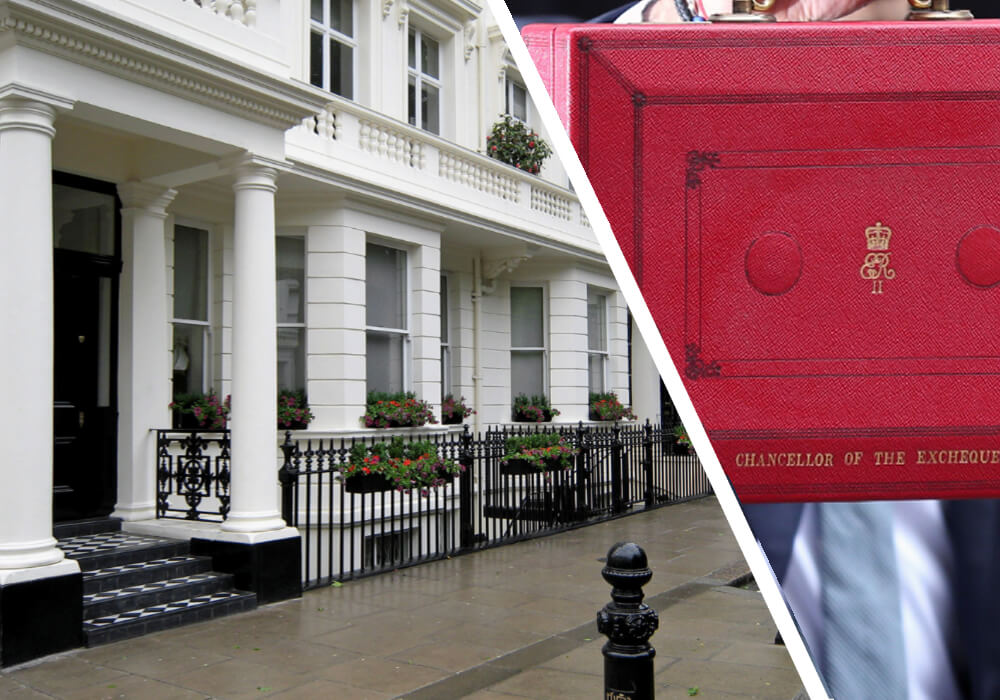
03.12.25This year's Budget is a major fiscal intervention, primarily targeting property wealth and investment income. The measures, framed by the Chancellor as ensuring "those with the broadest shoulders pay their fair share," are set to reshape the housing market and significantly increase costs for landlords.
The new 'Mansion Tax' - All you need to know
The introduction of a new 'Mansion Tax' (an annual levy on homes over £2 million, starting April 2028) and a 2% increase on property, dividend, and savings income are projected to raise a combined £2.5 billion (£400 million and £2.1 billion, respectively). This is expected to cool demand for high-value properties in key regions like London and the South East, potentially creating uncertainty that could restrict supply as owners defer transactions or list their homes.
- Effective date: The tax will take effect in April 2028.
- Valuation basis: Properties will be assessed based on 2026 valuations provided by the Government's Valuation Office Agency.
- Payment: It is an annual charge paid in addition to existing Council Tax. The money goes to the Treasury, not the local authority.
Rental inflation, strain on household budgets likely
Furthermore, landlords will face higher income tax rates on property earnings from April 2027 (22%, 42%, and 47%).
This, coupled with prior Stamp Duty increases and mortgage interest relief restrictions, will likely accelerate rental inflation, placing greater strain on household budgets, especially for younger renters.
While the Budget offers no new support for first-time buyers (omitting Stamp Duty reform, new ISA allowances, or a Help to Buy replacement), it commits to significant infrastructure spending, notably renewing funds for the Lower Thames Crossing. This commitment is expected to boost connectivity and property values in parts of east and south-east London, creating opportunities for developers and investors.

Categories
Property Of The Week
-
 Property Of The Week: Modern Architectural Drama In The Heart Of Marylebone
28.09.26
Property Of The Week: Modern Architectural Drama In The Heart Of Marylebone
28.09.26
- Property Of The Week: Contemporary Grandeur At Villa Musa, Lake Como 21.09.26
- Property Of The Week: Duplex Penthouse With Panoramic Sea Views, Roca Llisa, Ibiza 11.09.26



Abode Affiliates
































































































































































































COPYRIGHT © Abode2 2012-2026