
the No1 Google Ranking Luxury Property Magazine
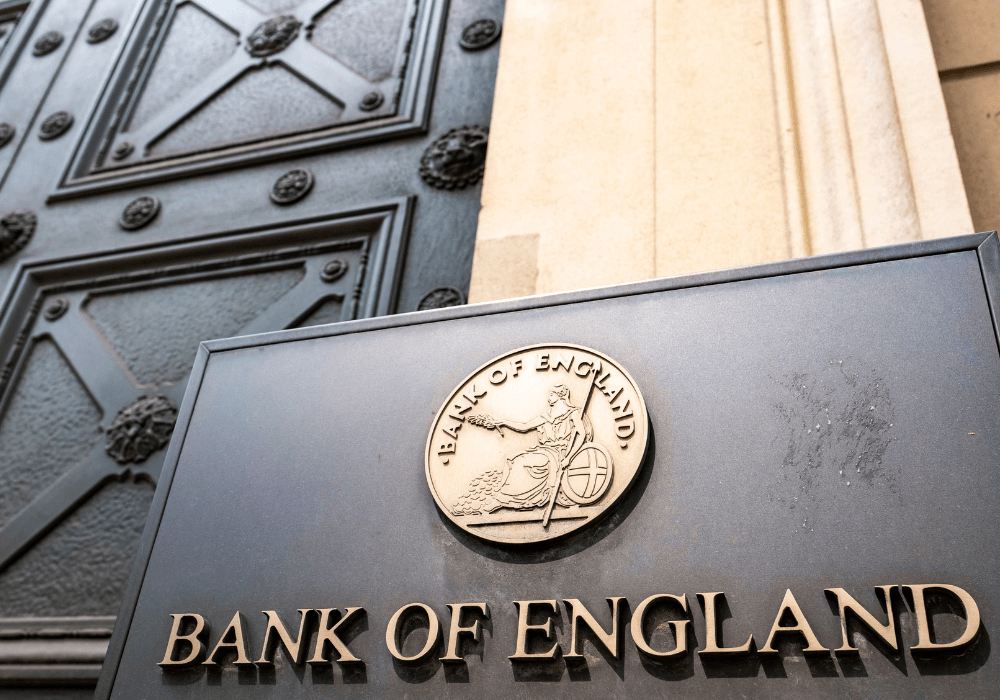
Bank Of England Signals ‘Intense Volatility’ As Mortgage Rates Edge Toward 6%
03.04.26For the UK’s prime property market, the era of "wait and see" is officially over. As mortgage rates creep back toward the 6% threshold, a new warning from the Bank of England has signalled that volatility is the new market constant. For the high-net-worth investor, the question is no longer when rates will fall, but how to shield equity in a shifting landscape.
The latest dispatches from the Bank of England has cast a shadow over the spring property season. With wholesale swap rates reacting to stubborn inflation and global geopolitical tension, the dream of a rapid return to 3% or 4% lending has been replaced by a stark reality: the 6% mortgage is back on the table.
1. The death of the "rate cut" narrative
Earlier this year, market sentiment was buoyed by the hope of aggressive base rate cuts. However, the Bank’s latest warning confirms that "sticky" inflation and international market instability—particularly in energy corridors—have baked a "Volatility Premium" into UK lending.
For owners of high-value estates in London and the Home Counties, this isn't just about monthly repayments; it is about the cost of leverage. We are seeing a significant pivot toward offset mortgages and Lombard lending, as savvy borrowers look to their wider asset portfolios to mitigate the rising cost of traditional debt.
2. The strategic "flight to cash"

In the ultra-prime bracket (deals over £5M), the 6% headline is creating a distinct divide in the market. While the "mortgage-reliant" mid-market may see a cooling of activity, the top tier is seeing a surge in all-cash transactions.
"Volatility creates a premium on certainty," says one leading London debt advisor. "When borrowing reaches these levels, the 'opportunity cost' of cash changes. We are seeing clients who would typically leverage 50% of a purchase now opting to buy outright, intending to refinance only when the 'volatility hump' has passed."
3. Real Estate as the ultimate hedge
Despite the 6% warning, the fundamental appeal of UK bricks and mortar remains robust. In fact, historically, periods of high interest rates often precede a "flight to quality." As the Bank of England warns of a bumpy road ahead for the wider economy, the prime residential sector is being viewed once again as the ultimate hedge against currency and market fluctuations.
The key for 2026 is Agility. Whether it is opting for shorter-term fixed rates to bridge the volatility or utilizing private bank "bespoke" lending facilities, the modern borrower must be as sophisticated as the assets they are acquiring.
The Abode2 verdict
The 6% warning is a wake-up call, but it is not a reason for retreat. In the luxury sector, wealth is built by navigating the cycles that others fear. As lending costs tighten, the value of expert financial advice becomes the most important amenity in your portfolio.

Categories
Property Of The Week
-
 Property Of The Week: The Harpa Estate, Santorini
31.03.26
Property Of The Week: The Harpa Estate, Santorini
31.03.26
- Property Of The Week: Historic Kensington Home Featuring The World’s First Private Passenger Lift 27.03.26
- Property Of The Week: Ultra-Luxe Waterfront Living At The Cove Miami 23.03.26



Abode Affiliates
































































































































































































COPYRIGHT © Abode2 2012-2026