
the No1 Google Ranking Luxury Property Magazine
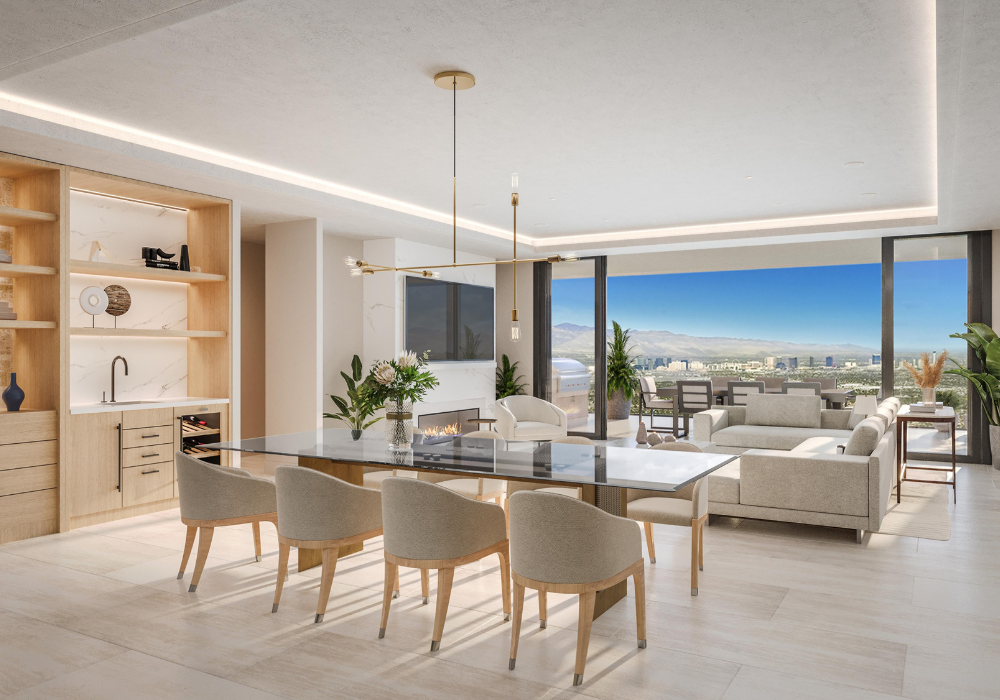
Aman, Four Seasons, And Ritz-Carlton: The New Gold Standard For HNWI Liquidity
10.04.26From the Aman Residences in New York and Dubai to the Four Seasons Private Residences in Cartagena, the world’s elite are not just buying four walls and a roof, but operational certainty. The administrative burden of managing a standalone estate is being traded for the seamless, brand-backed efficiency of global hospitality giants.
Abode2, leading luxury property magazine, explores why.
1. The liquidity premium: 25% faster resale
The most compelling argument for branded residences in 2026 is market velocity. According to recent data from Savills and Knight Frank, branded units sell an average of 25% faster than comparable non-branded luxury properties.
Why? Because a "Four Seasons" or "Ritz-Carlton" label acts as a global seal of quality. A buyer in London can purchase an Aman residence in Tokyo or Miami with total confidence in the build quality, the service level, and the future maintenance—without ever stepping foot on the property. This standardisation of excellence removes the friction from international transactions, creating a highly liquid "Secondary Market" that standalone homes simply cannot match.
2. The yield advantage: 33% global price premium
The "Brand Premium" is no longer just a marketing buzzword; it is a measurable financial metric. In 2026, branded residences are commanding a global average price premium of 33% over non-branded equivalents. In resort markets, this figure climbs even higher, reaching 39%. For HNWIs, this built-in equity provides a significant safety net. Even in a cooling market, the "halo effect" of a global brand protects asset value. When the market dips, buyers gravitate toward names they trust—Aman, Six Senses, and St. Regis—ensuring that these properties are the last to lose value and the first to recover.
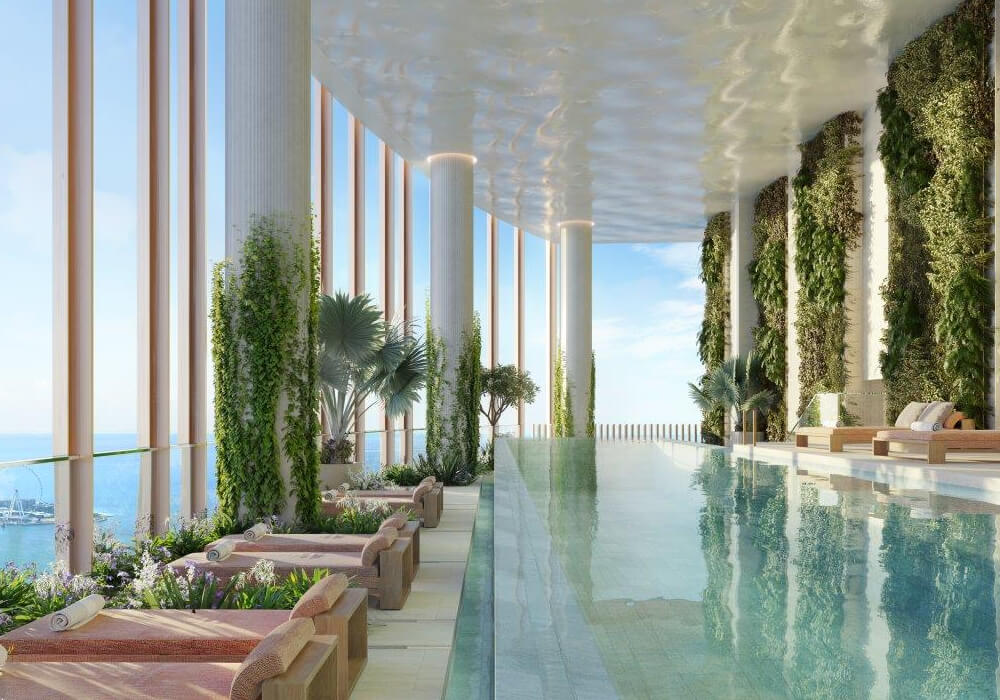
3. Service as a wealth-management tool
Standalone homes are often "passive" assets that require active management. They are "active" assets managed by world-class operators.
- Owners can "lock and leave," knowing their property is maintained to five-star standards 24/7.
- Most major brands offer managed rental programs that access a global database of high-paying travellers, turning a vacant second home into a high-yield revenue stream without any effort from the owner.
- Owning a branded residence often grants the owner "Global Elite" status across the brand’s entire hotel portfolio—a perk that adds significant intangible value to the investment.
4. The rise of the "standalone" branded residence
A key trend for 2026 is the rise of the Standalone Branded Residence—developments that carry the brand name and service level but are not attached to a hotel. These projects, which now represent 40% of the global pipeline, offer a more private, residential feel while maintaining the "Guaranteed Liquidity" of the brand. This satisfies the HNWI’s desire for a "home" rather than a "suite," without sacrificing the institutional-grade management that protects the investment.
Explore the latest trends and features in Abode2, the leading luxury property magazine.

Categories
Property Of The Week
-
 Property Of The Week: Contemporary Villa In Varandas do Lago Reflects The Evolution Of Algarve Living
09.04.26
Property Of The Week: Contemporary Villa In Varandas do Lago Reflects The Evolution Of Algarve Living
09.04.26
- Property Of The Week: The Harpa Estate, Santorini 31.03.26
- Property Of The Week: Historic Kensington Home Featuring The World’s First Private Passenger Lift 27.03.26



Abode Affiliates





































































































COPYRIGHT © Abode2 2012-2026